
This post contains affiliate links. I may earn a commission if you purchase through them at no extra cost to you.
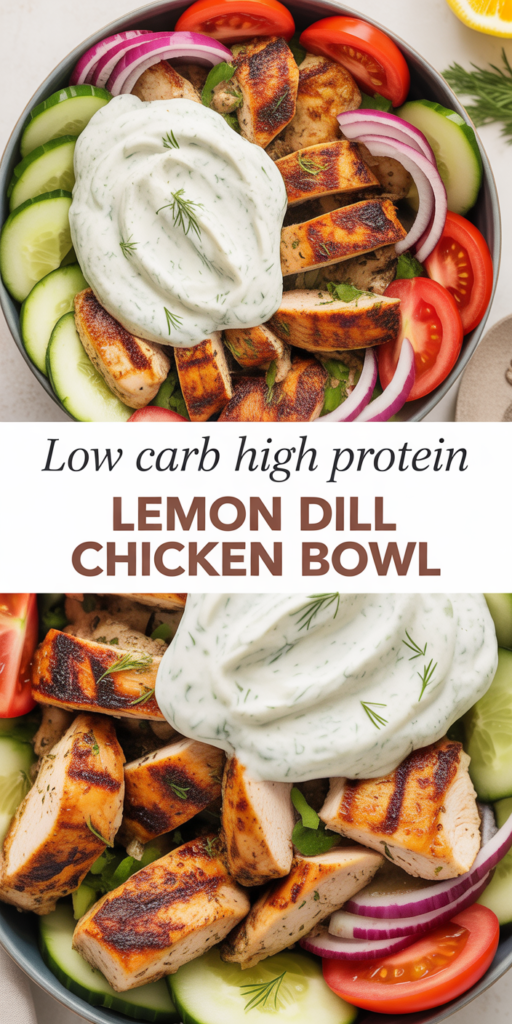
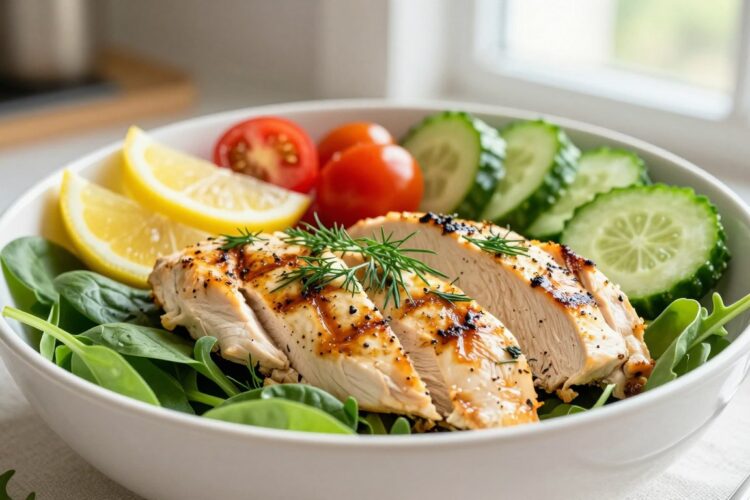
I’m excited to share my favorite Mediterranean-inspired chicken bowl that feels light, fresh, and full of flavor. This simple recipe brings together zesty lemon juice, fragrant dill, and lean protein for a bright, nourishing meal I turn to when I want something satisfying yet easy.
The dish is designed to fuel busy afternoons without weighing you down. I love how each bite blends herbs, citrus, and tender chicken into a refreshing plate that still packs a solid amount of protein.
Whether you need a quick lunch or a tidy dinner, this bowl scales well and fits into a balanced routine. In the next sections I’ll walk you through the steps, share tips for prep, and show how small swaps keep the flavors vivid while saving time.
Why I Love This Low Carb High Protein Lemon Dill Chicken Bowl
What I love most about this dish is how simple ingredients deliver bold, Mediterranean flavor every time. It blends zesty citrus and fresh herbs into a meal that feels both bright and satisfying.
This recipe nods to Mediterranean eating while fitting a keto-friendly approach, as Alex and Lauren Lester highlight. That balance makes it an easy choice for weeknight dinner or make-ahead meal prep.
- The combo of zesty lemon and aromatic dill gives these chicken bowls a refreshing, memorable profile.
- It’s versatile—swap toppings or sides to suit taste or time without losing the core flavor.
- Simple, quality ingredients mean the dish tastes homemade and impressive when I serve guests.
| Feature | Benefit | Prep Time |
|---|---|---|
| Lean protein | Filling without heaviness | 15–20 min |
| Fresh herbs & citrus | Bright, layered flavors | 5 min |
| Easy swaps | Great for meal planning | Varies |
Essential Ingredients for Your Mediterranean Bowl
When I shop for this recipe, I focus on a few key items that deliver most of the flavor and texture. These ingredients make the dish come together quickly and keep the plate bright and balanced.
Chicken Components
To start, you will need 1 lb. boneless, skinless chicken breasts, cut into 1-inch (2.5-cm) cubes (455 g). I marinate the poultry with a simple mix to build flavor fast.
- 1 lb. boneless, skinless chicken breasts (cut into 1-inch cubes)
- 2 tablespoons olive oil
- 2 cloves garlic, minced
- 1 tablespoon lemon juice and 1 teaspoon lemon zest
- 1 teaspoon dried oregano, plus salt and pepper to taste
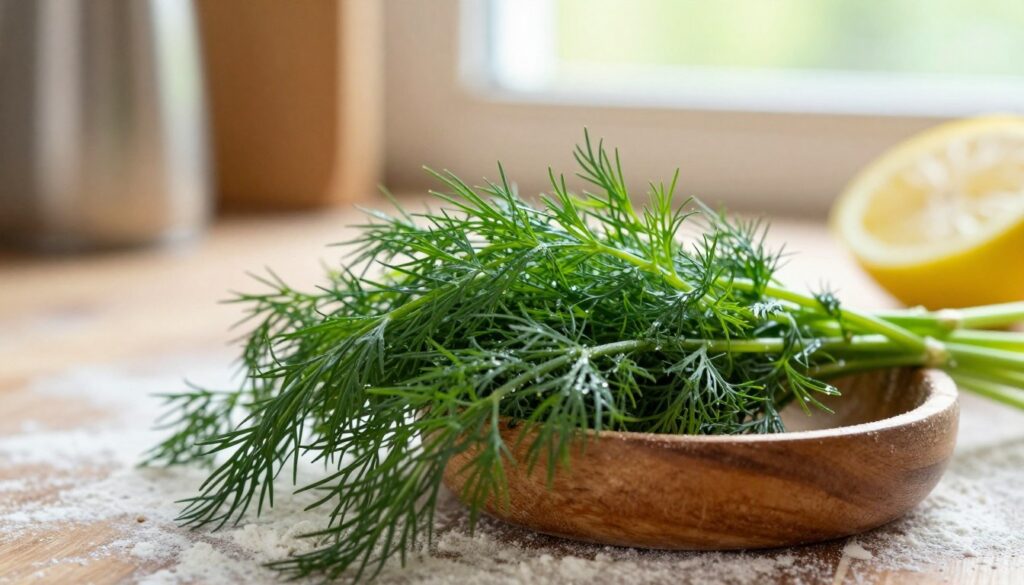
- Handful of fresh dill for garnish
Fresh Vegetable Toppings
For the bowl base, choose either crisp lettuce or fluffy cauliflower rice. Both work well as a salad or a rice-style side.
- Cucumber, sliced
- 1 cup cherry tomatoes, halved
- Thinly sliced red onion
- Feta cheese and Kalamata olives served on the side
| Ingredient | Purpose | Amount |
|---|---|---|
| Boneless chicken breasts | Main protein | 1 lb. (455 g), cubed |
| Olive oil | Marinade and sear | 2 tablespoons |
| Garlic & oregano | Seasoning | 2 cloves garlic, 1 tsp oregano |
| Cauliflower rice or lettuce | Base for the salad | As needed (1–2 cups) |
Preparing the Perfect Chicken Marinade
A bright, well-made marinade is the secret to tender, flavorful chicken every time.
I combine olive oil, lemon juice, lemon zest, minced garlic, dried oregano, a teaspoon of salt, and a dash of pepper in a bowl. Then I add two tablespoons of lemon juice and one tablespoon of red wine vinegar to help tenderize the chicken breasts.
I coat the pieces evenly so the oil and herbs cling to each cube. When I’m short on time, even a quick ten minutes of rest helps, but I usually refrigerate the chicken for 30 minutes or up to overnight for the best results.
- Mix oil, lemon, zest, garlic, oregano, salt, and pepper.
- Add vinegar and let the meat rest in the fridge for at least 30 minutes.
- Ensure even coating to maximize flavor before you cook chicken.
| Action | Amount | Purpose |
|---|---|---|
| Olive oil | 2 tablespoons | Carry flavors and keep meat juicy |
| Lemon juice & zest | 2 tbsp juice, 1 tsp zest | Tenderize and brighten the dish |
| Garlic & oregano | 1 clove garlic, 1 tsp oregano | Build aromatic seasoning |
| Salt, pepper & wine vinegar | 1 tsp salt, pinch pepper, 1 tbsp vinegar | Balance taste and tenderize |
Mastering the Art of Searing Chicken
Searing transforms the marinated pieces into a flavorful, textured main. I use firm, controlled heat and a simple routine to get that restaurant-style crust every time.
Achieving the Perfect Char
I preheat a 10-inch cast-iron skillet over medium-high heat until it is hot. Then I add a little oil and a drop of olive if needed to coat the pan.
I arrange the chicken breasts without crowding the pan so steam won’t form. That lets each piece brown and develop charred edges.
Cook chicken for about 3 to 4 minutes per side. The marinade helps caramelize and build those smoky notes that make the dish sing.
Checking for Doneness
- I use an instant-read thermometer to verify the internal temperature reaches 165°F (74°C).
- After cooking, I rest the meat for a few minutes so juices redistribute and the slices stay juicy.
- Whether I finish on a grill or in a skillet, consistent searing locks in moisture and flavor.
| Step | Action | Time |
|---|---|---|
| Preheat | Heat a 10-inch cast-iron skillet to medium-high heat | 2–3 minutes |
| Sear | Place pieces without crowding; brown each side | 3–4 minutes per side |
| Finish | Check temp to 165°F; rest the meat | 2–5 minutes |
Creating the Creamy Tzatziki Sauce
Making a simple, garlicky tzatziki takes only a few minutes and changes the whole meal. I mix Greek yogurt with grated cucumber, minced garlic, a splash of lemon juice, chopped fresh dill, and a pinch of salt.
I usually whisk the sauce in a medium bowl until smooth. Then I chill it for a few minutes so the garlic and herb flavors meld while the chicken finishes cooking in the skillet.
- The cool sauce balances warm, spiced meat and the bright notes from the marinade.
- A teaspoon of salt brings out the cucumber’s sweetness without overpowering the yogurt.
- Making tzatziki while the meat rests saves time and keeps the kitchen moving.
| Ingredient | Amount | Purpose |
|---|---|---|
| Greek yogurt | 1 cup | Base for creamy texture |
| Grated cucumber & garlic | 1/2 cup & 1 clove | Freshness and savory bite |
| Fresh dill, lemon juice, salt | 1 tbsp, 1 tbsp, 1 tsp | Herb, bright acidity, seasoning |
Assembling Your Fresh and Vibrant Bowl
I layer each bowl so every bite shows off the bright flavors and textures I want to taste. Assembly is quick and satisfying, and it highlights the contrast between warm, seared meat and crisp vegetables.
Layering for Visual Appeal
- I start with a base of cauliflower rice or lettuce to keep the salad light and textural.
- Next I add sliced chicken breasts arranged across the center for a clean look.
- I scatter cherry tomatoes, cucumber slices, and thinly sliced red onion for color and crunch.
- Then I sprinkle feta cheese and Kalamata olives for salty, tangy notes that lift the dish.
- I like to drizzle a touch of olive oil and a squeeze of lemon juice over each bowl right before serving.
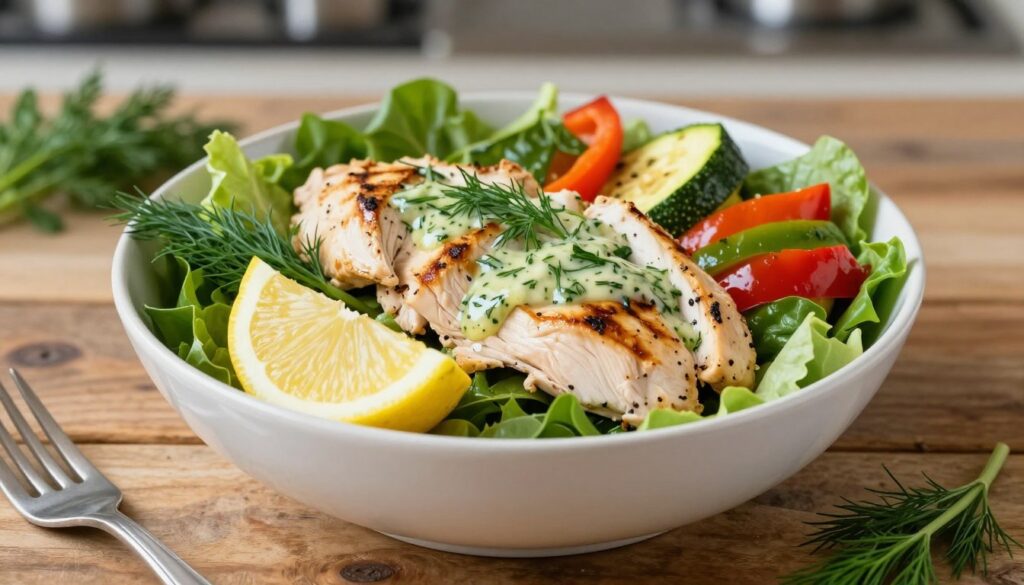
- A generous dollop of creamy tzatziki finishes the plate and ties all the flavors together.
- For fast weeknight prep, chop veggies ahead so you can assemble in just a few minutes.
| Layer | Purpose | Typical Time |
|---|---|---|
| Cauliflower rice or lettuce | Light base to soak up juices | 1–2 minutes |
| Sliced chicken breasts | Main savory element, warm contrast | 3–4 minutes to plate |
| Vegetables (tomato, cucumber, red onion) | Color, crunch, freshness | 2–3 minutes prep |
| Feta & Kalamata olives | Salty, briny finish | 30 seconds |
| Tzatziki, olive oil, lemon juice | Creamy balance and bright acidity | 30 seconds |
Tips for Achieving Perfectly Fluffy Cauliflower Rice
The secret to fluffy cauliflower rice is simple: give it space and steady heat while you sauté. I start by pulsing florets until they resemble grains, then I heat a wide skillet and add a splash of olive oil.
I cook the riced veg over medium heat for several minutes, stirring so steam escapes. This takes patience; check after two to three minutes and adjust time as needed to keep a slight bite.
Season early with salt and pepper so the mixture absorbs flavor while cooking. If I have extra minutes, I let the surface toast briefly to bring out a light, nutty note that pairs well with the seared meat.
- Use a wide pan to avoid crowding; more surface area means less steaming.
- Keep heat steady so moisture evaporates and the texture stays fluffy.
- A short rest off the stove helps excess steam settle before plating.
| Tip | Why it helps | Quick guide |
|---|---|---|
| Wide skillet | Prevents steaming, improves browning | Use 10–12 inch pan |
| Steady heat | Evaporates moisture for fluffy texture | Medium heat, stir occasionally |
| Short toasting | Adds nutty flavor and color | 1–2 minutes at end |
| Season while cooking | Helps grains absorb flavor | Add salt early, taste at finish |
Nutritional Benefits of This Protein-Packed Meal
This Mediterranean-style plate gives a clear nutritional edge without losing its bright flavor. I like meals that taste like a treat but also help me hit daily goals.
High-Quality Protein Sources
Each serving delivers about 35g of protein, mostly from lean chicken breasts I sear until golden. That protein helps with muscle repair and keeps me full between meals.
Healthy Fats
Olive oil and feta cheese add satisfying fats that support heart health and steady energy. I also use a few kalamata olives for an extra savory note and healthy compounds.
Vitamin-Rich Vegetables
This dish loads up on cherry tomatoes, cucumber, and fresh herbs. These veggies bring vitamin content, antioxidants, and fiber to aid digestion and overall health.
| Calories | Carbs | Protein | Fat |
|---|---|---|---|
| 473 kcal | 9 g | 35 g | 33 g |
- I choose high-quality meat and fresh produce so each bowl is nutrient-dense.
- The mix of macronutrients makes this dish a smart, satisfying option for daily wellness.
Customizing Your Bowl with Healthy Additions
Small swaps and bright mix-ins let me tailor this Mediterranean plate to whatever I’m craving. I often toss in roasted chickpeas for extra fiber and texture, or add fresh herbs for a vitamin boost that brightens every bite.
If I want a different protein, I’ll swap the chicken breasts for grilled shrimp or firm tofu. Both absorb the lemon juice marinade and grill nicely, so the dish stays lively and satisfying.
I also like to add a teaspoon of red pepper flakes for heat or extra garlic to deepen the savory notes in the meat. More veggies—bell peppers, radishes, or extra cherry tomatoes—give the bowl volume and crunch without many calories.
- Try mixed olives (green or black) to change saltiness and flavor profile.
- Finish with a drizzle of high-quality olive oil or a squeeze of fresh lemon juice before serving.
- Swap feta cheese amounts to suit taste and keep sodium in check.
| Addition | Why it helps | Quick tip |
|---|---|---|
| Roasted chickpeas | Boosts fiber and crunch | Season with salt and pepper; roast 20 min |
| Grilled shrimp or tofu | Alternative protein that pairs with the marinade | Marinate 15–30 min; grill until firm |
| Extra veggies | More vitamins and volume with low calories | Slice thin for quick mixing |
Storage and Meal Prep Strategies
A little prep saves me cooking time all week and keeps every part tasting fresh. I separate warm and cold items so textures hold up and flavors stay distinct.
Keeping Ingredients Fresh
I store cooked chicken, vegetables, and sauce in separate airtight containers. This prevents sogginess and keeps the salad components crisp until I’m ready to eat.
The chicken breasts stay juicy for up to three days in the refrigerator when cooled completely before packing. I usually let the meat rest off the heat until it reaches room temperature, then cover and chill.
- Marinate ahead in olive oil, garlic, and red wine vinegar to lock in flavor before cooking.
- Cook a large batch in a hot skillet to save time; sear in batches to avoid crowding and lost heat.
- Add dressing or tzatziki only at serving time so cherry tomatoes, red onion, and feta cheese stay crisp.
| Item | Storage | Keep Fresh |
|---|---|---|
| Cooked chicken | Airtight fridge | 3 days |
| Vegetables | Separate container | Remain crisp |
| Sauce (tzatziki) | Small jar | Add at serving |
These chicken bowls make a reliable side for quick weeknight dinners. With a little prep, I can assemble a balanced meal in minutes and enjoy fresh flavors any night of the week.
Enjoying Your Fresh Mediterranean Creation
I hope you enjoy every bite of this fresh dill–forward plate. The lemon and herbs lift simple ingredients into a lively dish I return to often.
This recipe shows how good ingredients and a short rest in the marinade let the meat soak up flavor. Proper searing or a quick turn on the grill adds texture and keeps the cooking time reasonable.
Serve the chicken bowl warm for family dinner or as a solo meal. Thank you for trying this recipe — I can’t wait to hear how you customize it and share it with friends.