

This post contains affiliate links. I may earn a commission if you purchase through them at no extra cost to you.

I make this Sweet Potato & Chickpea Curry when I want a warm, creamy plant-based dinner that still feels like comfort food. It mixes tender cubes, hearty beans, and a silky coconut sauce that clings to jasmine rice.
This vegan sweet potato curry is a one-pot, weeknight-friendly meal. I use pantry spices, canned coconut milk, and simple steps: sauté, bloom spices, simmer, and taste. The post includes exact measurements and clear step-by-step instructions so the recipe is easy to follow.
Expect family-style servings and easy leftovers that freeze well. I also offer small upgrades like fresh greens or a lime squeeze, but the base stays approachable for cooks new to curry at home.
Why I Make This Sweet Potato Chickpea Curry When I Want a Cozy Plant-Based Dinner
I love one-pot meals that deliver big flavor with little fuss, and this version fits the bill. It turns tender sweet potato cubes and hearty chickpeas into a bowl that comforts and fills without heavy prep.
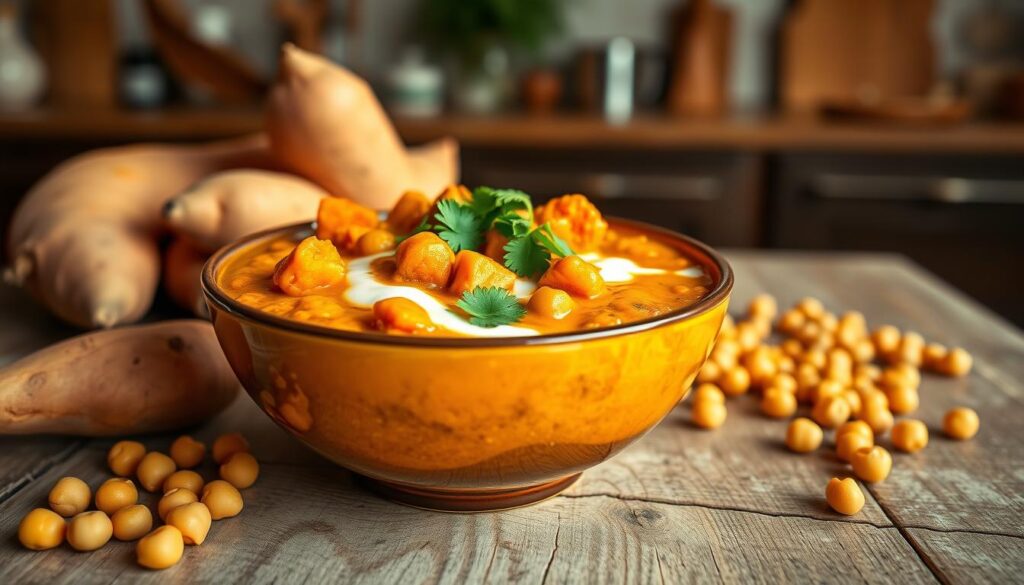
Creamy coconut sauce, bold spices, and vibrant color in one pot
The coconut milk-based sauce is velvety and indulgent while staying fully plant-based. I toast spices briefly to deepen the aroma and make the whole pot sing.
Weeknight-friendly comfort food that still feels nourishing
Chickpeas provide reliable plant protein and a pleasing bite. Bright orange sweet potatoes, red tomatoes, and chopped cilantro make the plate pop.
- One pot, simple steps, flexible pantry ingredients.
- Tastes even better after it rests — ideal for leftovers and meal prep.
| Feature | Why I Love It | Quick Tip |
|---|---|---|
| Texture | Tender sweet potatoes and creamy chickpeas | Simmer until potatoes are fork-tender |
| Flavor | Toasted spices plus coconut richness | Bloom spices in oil for 1 minute |
| Ease | One pot and pantry staples | Use canned coconut milk and canned chickpeas |
Ingredients for an Easy Coconut Curry
These are the exact ingredients I use so the dish turns out rich, balanced, and simple to make. I group items for quick shopping and easy prep.
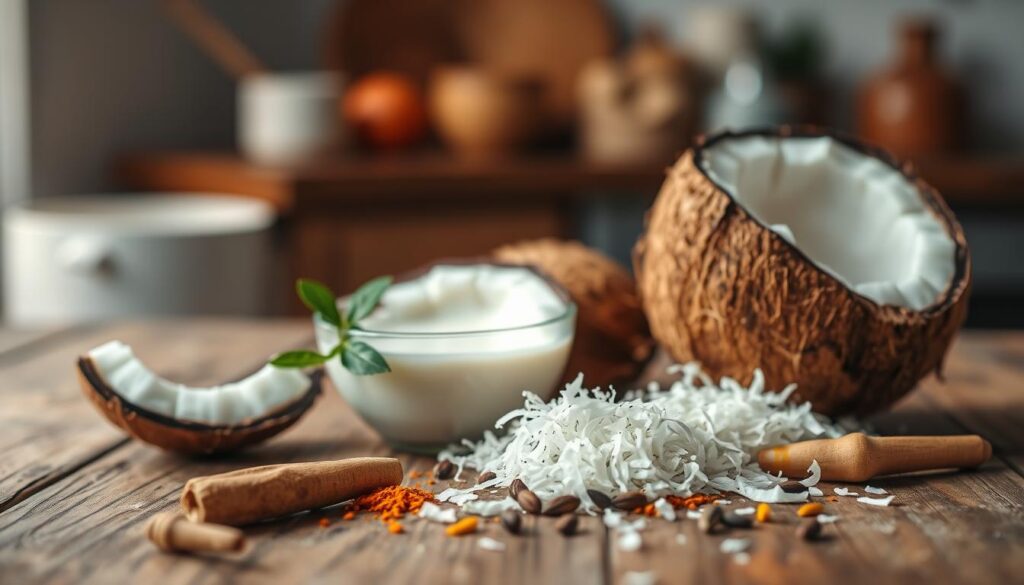
Produce and aromatics
- 1 1/2 pounds sweet potato, peeled and cubed into 1/2-inch pieces (smaller cubes cook faster)
- 1 large onion, diced (about 1 cup)
- 2 cloves garlic, minced
- 1 tablespoon fresh ginger, minced
Canned goods and pantry staples
- 1 can (15 oz) chickpeas, drained and rinsed
- 1 can (14 oz) diced tomatoes
- 1 can (14 oz) coconut milk (full-fat or light both work)
- 1 cup vegetable broth
- 1–2 tablespoons oil
Exact measurements for my Sweet Potato & Chickpea Curry
| Spice | Amount | Notes |
|---|---|---|
| Curry powder or garam masala | 2 tablespoons | Use curry powder for mild, garam masala for warm depth |
| Ground cumin | 1 teaspoon | Supports the curry flavor |
| Salt & pepper | 1 teaspoon salt, 1/2 teaspoon pepper | Adjust to taste |
Optional add-ins I love
Stir in 3 cups baby spinach at the end, or add a small pinch of sugar to balance heat. If you prefer, swap spice mix for 2 tablespoons curry paste. Prep tip: chop onion, mince garlic and ginger, and cube the sweet potatoes before you heat the pan.
How I Make This Vegan Curry Recipe
My go-to technique starts with gentle heat and builds flavor in clear stages. I keep steps simple so the pan yields a rich, balanced sauce by the end.
Sauté aromatics until translucent
I heat oil (or a splash of water for oil-free) in a large pan over medium heat. I sauté the onion until soft, about 5–7 minutes, then add garlic and ginger so they soften without burning.
Bloom the spices
Next I stir in curry powder or garam masala and ground cumin, toasting for about 30 seconds. That brief heat deepens the spice profile fast.
Simmer with liquids and proteins
I add tomatoes, chickpeas, coconut milk, and vegetable broth. I scrape the bottom of the skillet so the toasted spices lift into the sauce, then bring to a gentle simmer.
Cook until tender, finish and serve
I add the cubed potatoes and simmer covered, stirring every few minutes. Cook time is typically 20–30 minutes until fork-tender. I sometimes mash a few pieces to thicken the sauce.
- Taste and adjust salt and pepper at the end.
- Stir in chopped cilantro and serve hot over fluffy jasmine rice.
| Step | Heat | Approx. time |
|---|---|---|
| Sauté aromatics | Medium heat | 5–7 minutes |
| Bloom spices | Medium heat | 30 seconds |
| Simmer with liquids | Low to medium | 20–30 minutes |
Tips for the Best Texture and Flavor
A few smart tricks help me get a thick, silky sauce without extra flour or long simmering. These quick moves keep the coconut-based milk and spices balanced so every bite is warm and satisfying.
How I get a thicker, creamier sauce without effort
I mash a few spoonfuls of cooked sweet potato and potatoes against the side of the pan. That releases starch and naturally thickens the sauce without adding extra fat or flour.
Simmering covered speeds tenderizing. If the sauce is too thin, I remove the lid for the last few minutes to reduce and tighten texture.
Managing heat and spice
I always bloom ground spices like cumin in oil first; that step makes the curry taste bolder. Start with a moderate amount of curry powder or garam masala, then adjust heat with pepper at the end so you don’t over-season early.
A tiny pinch of sugar calms sharp tomatoes or intense spices and rounds the final flavor.
Time-savers for prep and smooth cooking
- Chop sweet potato small and mince garlic and ginger ahead—this cuts active skillet time to minutes.
- Use full-fat coconut milk for a silkier feel, or light milk to reduce fat without losing coconut flavor.
- Stir in baby spinach at the end for color and a fresh bite without watering down the sauce.
| Tip | Why it works | When to use |
|---|---|---|
| Mash a few pieces | Natural thickener | After 20–25 minutes of simmering |
| Bloom spices | Boosts aroma and depth | At the start, 30 seconds in hot oil |
| Simmer covered then uncover | Tenderizes then concentrates sauce | Cover for most of the time, uncover to finish |
Serving Ideas and Make-Ahead Notes
I make this recipe so it works as a complete dinner now and a ready-made meal later. A few simple swaps change the feel without extra work.
What I serve it with besides rice
I like naan-style flatbread or warm tortillas for scooping, and quinoa or farro when I want a heartier grain. Roasted vegetables or a crisp green salad round out the plate.
For variety, top with chopped cilantro, a lime wedge, or toasted seeds to add texture and brightness.
How I store, reheat, and freeze leftovers
I let the pot cool, then portion into airtight containers. Refrigerate up to 4–5 days. For longer storage I freeze single servings; they keep well for up to 3 months.
Reheat gently on the stovetop or in the microwave, stirring occasionally. If the sauce has thickened, add a splash of broth or coconut milk to loosen it.
Flavors deepen overnight, so leftovers often taste more cohesive the next day.
- Portion for easy weeknight servings—freeze what you won’t eat in 2 meals.
- Cool completely before sealing to avoid ice crystals in the freezer.
- Label containers with date and contents for straightforward meal planning.
| Action | Storage | Notes |
|---|---|---|
| Refrigerate | 4–5 days | Airtight container, cooled |
| Freeze | Up to 3 months | Portion-sized containers or freezer bags |
| Reheat | Stovetop or microwave | Add splash of broth or coconut milk if thick |
The best part is how the flavors settle and deepen overnight, making every bite richer the next day.
Leftovers thicken slightly in the fridge, so the sauce clings even more to the sweet potatoes and chickpeas. That makes a reheated bowl feel extra satisfying and cozy.
I reheat gently over low heat and add a small splash of broth if the mix seems dry. Right at the end I stir in a handful of spinach so it wilts but stays bright.
If the spices are muted, a teaspoon of curry paste or a pinch of spice blend brings the pot back to life with one quick simmer.
For a simple twist, spoon the warmed curry over a baked or mashed potato. I love how this plant-based meal tastes fresh and bold again—easy to repeat and always comforting.