
This post contains affiliate links. I may earn a commission if you purchase through them at no extra cost to you.
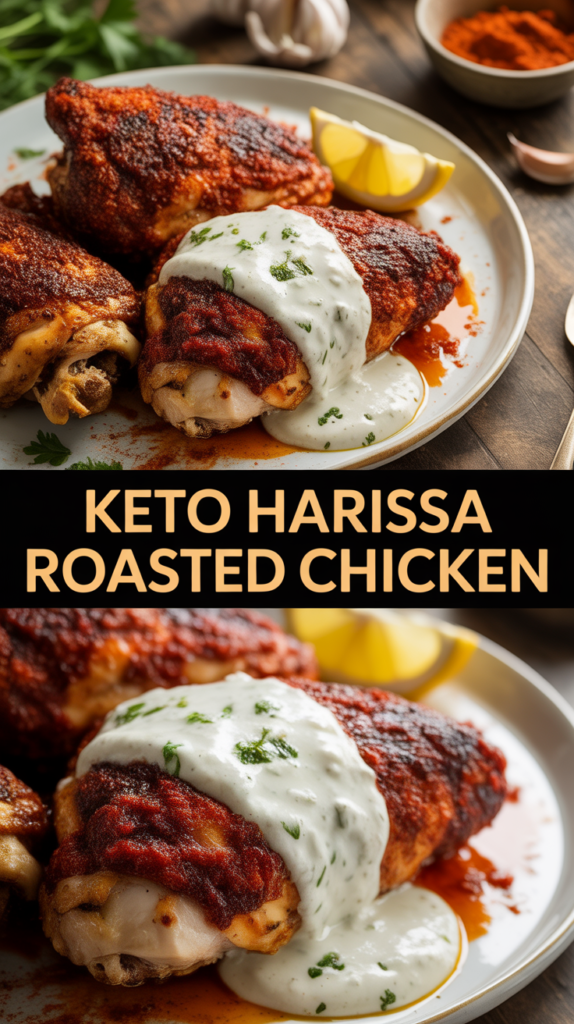
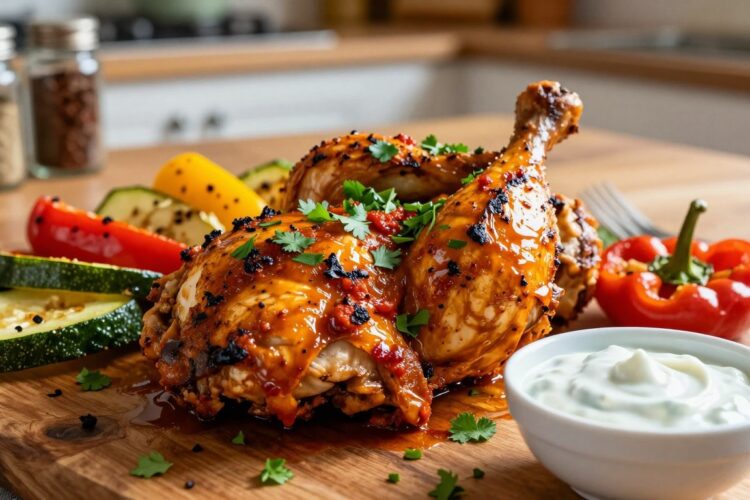
I make this keto harissa chicken when I want bold Middle Eastern flavor without a lot of prep. It feels special but comes together on one sheet pan, so it works for busy weeknights and simple meal prep.
The goal is crisp, caramelized skin kissed by smoky spice and a cool, tangy garlic yogurt sauce that tames the heat. I promise exact measurements, clear steps, and practical tips so this spicy roasted chicken recipe turns out reliably crisp every time.
I focus on keto roasted chicken thighs and low‑carb sides to keep this Middle Eastern chicken dinner friendly to low‑carb plans. Later I explain what harissa tastes like, how I control the spice level, and where I find the paste in US stores.
Read on and you’ll get a repeatable, sheet pan recipe that stores well for leftovers and delivers bright lemony tang from the yogurt sauce while staying simple to make.
Why I Make This Keto Harissa Chicken When I Want Big Middle Eastern Flavor
When I want a weeknight meal that vibrates with North African spice, this harissa chicken is my go-to. It packs smoky, spicy, and tangy notes into a simple pan so I get bold flavor with minimal fuss.
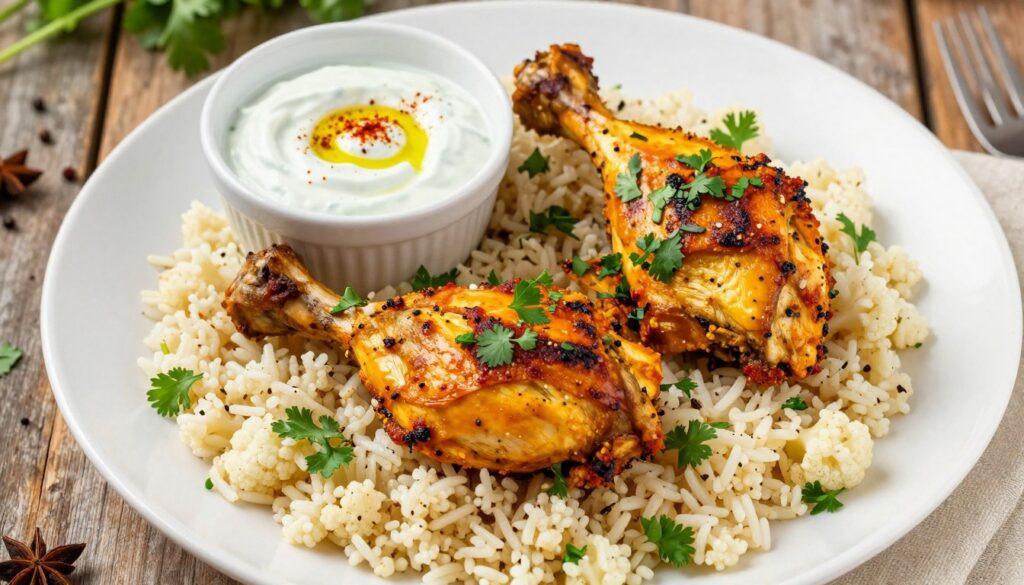
My goal is a contrast: a crisp, caramelized exterior and juicy meat, balanced by a cool yogurt drizzle. Greek yogurt and a squeeze of lemon cut the heat and add bright freshness. That hot-and-cool pairing makes the dish feel lively, not heavy.
I keep this in rotation because the ingredients are easy to find and the steps are straightforward. Harissa brings smoky chile, garlic, olive oil, and warm spices that read as Middle Eastern and North African at the same time.
- Big taste, few steps—works for busy weeknights or guests.
- Spicy roast meets creamy, tangy finish for balance.
- Crisp skin and juicy meat make it satisfying and keto-friendly.
| Element | What It Adds | Why I Care |
|---|---|---|
| Harissa | Smoky heat and warm spices | Defines the regional flavor profile |
| Yogurt + Lemon | Cool, tangy contrast | Balances spice and brightens the plate |
| Crisp Skin | Texture and caramelized flavor | Keeps the meal satisfying and juicy |
I won’t skip the sauce; it’s the finishing touch that tames the heat and adds herb-scented lift. Next I’ll show how I control spice level so the signature taste stays bold without overpowering the dish.
What Harissa Tastes Like and How I Control the Heat
A bright, smoky paste layered with warm spices is the fast route to big flavor on a busy night.
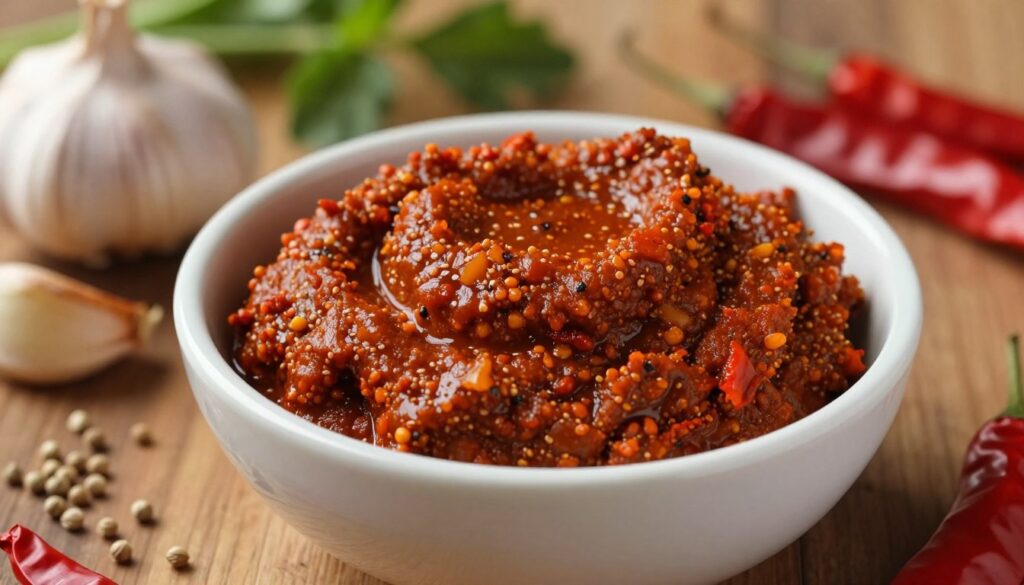
I taste smoky chile heat first, then savory garlic and a citrus‑bright lift. Those notes cling to skin and roast into caramelized edges. The mix of warm spices gives depth without heavy sugar or carbs.
Paste vs. Dry Seasoning
The paste brings moisture and often more intensity, while the dry seasoning acts like a rub and helps skin crisp faster. I use the paste when I want a glossy, bold coating. I reach for dry seasoning when I want extra browning and less marinade time.
| Type | Texture | Effect on Browning |
|---|---|---|
| harissa paste | Moist, spreadable | Slower to brown, richer glaze |
| harissa seasoning | Dry, granular | Faster crisping, dry rub finish |
| Hybrid (paste + spices) | Balanced | Good browning and bold flavor |
Dialing Heat Down or Up
Brand heat varies, so I always taste before I add more. To mellow heat, I use less paste, add olive oil, and boost paprika or cumin for warmth. To raise it, I increase the paste slowly and finish with extra black pepper or a pinch more spice blend.
I usually find jars in the international aisle, condiment section, or near refrigerated spreads. Trader Joe harissa paste is often an easy, reliable option. Once the paste is set, the rest of this recipe is straightforward and repeatable.
Ingredients for Keto Roasted Chicken Thighs
Below are the exact ingredients I use for bone-in, skin-on thighs. These measurements are copy-and-cook so you can get consistent browning and juicy meat every time.
Chicken and harissa marinade
- 4 bone-in, skin-on chicken thighs (about 2.5–3 lb)
- 3 tbsp harissa paste
- 2 tbsp olive oil
- 2 cloves garlic, minced
- 1 tsp smoked paprika (ground)
- 1/2 tsp ground cumin
- 1 tsp kosher salt
- 1/2 tsp freshly ground black pepper
Exact measurements and notes
I pat the thighs dry with paper towels before seasoning. Dry skin equals better crisping under high heat.
Use the paste measured above; it gives a glossy coating. If you prefer a drier finish, swap half the paste for a dry harissa seasoning and reduce oil slightly.
| Ingredient | Role | Tip |
|---|---|---|
| Bone-in, skin-on thighs | Juicy meat, crisp skin | Do not use skinless chicken for this method |
| Harissa paste | Spicy, smoky flavor | Measure 3 tbsp for balanced heat |
| Olive oil | Helps spices bloom and browning | Use extra virgin for flavor or neutral oil for higher smoke point |
| Paprika & cumin | Color and warmth | Paprika boosts color; cumin adds depth if you cut back on paste |
Keep excess liquid off the pan so the thighs roast instead of steam. In the next section I cover the simple, measured sauce that cools the plate down.
Ingredients for My Garlic Yogurt Sauce Recipe
A spoonable, tang-forward yogurt mix is how I cool the heat and lift the flavors. Below are exact measurements so the sauce stays bright, creamy, and easy to drizzle.
Exact measurements for a tangy, herby sauce
I mix these ingredients in a bowl and chill the mixture while the chicken roasts. Chilling prevents watery separation and lets the flavors meld.
- 1 cup full‑fat Greek yogurt
- 2 tbsp lemon juice
- 1 clove garlic, minced (about 1 tsp)
- 1 tsp olive oil
- 2 tbsp chopped parsley
- ¼ tsp kosher salt and a pinch of black pepper, to taste
Quick swaps that keep it low-carb
If you need a dairy-free option, use unsweetened, full‑fat coconut or almond yogurt. Swap parsley for cilantro or dill if you prefer. Avoid sweetened or flavored yogurts; they add carbs and change the savory profile.
| Ingredient | Role | Best swap |
|---|---|---|
| Greek yogurt (1 cup) | Base, creaminess | Unsweetened dairy-free yogurt |
| Lemon juice (2 tbsp) | Bright acidity | White wine vinegar, 1 tbsp |
| Parsley (2 tbsp) | Fresh finish | Cilantro or dill |
Mix in a bowl until smooth, taste, then chill. I store the sauce separately from leftovers so reheated pieces keep their crispness.
How I Make Keto Harissa Roasted Chicken Thighs in the Oven
I set my oven to 425°F and fit a rimmed sheet pan so air circulates under the thighs. A hot pan and preheated oven speed browning and cut total time in minutes.
I pat each piece very dry, then spread a thin coating of harissa paste mixed with minced garlic, paprika, cumin, salt, pepper, and a little oil. Dry skin and a light layer of fat help the surface crisp instead of steam.
Roast and timing cues
I roast at 425°F for about 35–40 minutes. Look for deep red-brown spots, crisp edges, and sizzling rendered fat in the pan. If pieces are clustered, they steam; give each piece room on the sheet so hot air can do its job.
Doneness guide
Chicken is safe at 165°F, but I often aim closer to 175°F for thighs to render more fat and feel tender. Use an instant-read thermometer at the thickest part; if you need faster browning, finish under a brief broil while watching closely.
Sheet pan spacing tips
Leave at least 1 inch between pieces. If your sheet looks crowded, split onto two pans so each piece roasts, not steams. Parchment helps prevent sticking and speeds cleanup, but avoid foil that traps steam under the skin.
| Step | Visual Cue | Target |
|---|---|---|
| Preheat and pan | Smoky hot rimmed sheet | Oven 425°F, ready in minutes |
| Prep and marinate | Dry skin, even paste coat | Thin layer of oil and spices |
| Roast | Deep red-brown color, crisp edges | 35–40 minutes at 425°F |
| Doneness | Juices run clear, thermometer reads | 165°F minimum; 175°F for more tender thighs |
How I Make the Creamy Garlic Yogurt Sauce While the Chicken Roasts
During the 30–40 minutes the pan browns, I whisk a smooth, zesty yogurt blend for serving. This timing gives the mix a few minutes to chill so it thickens and tastes brighter when you spoon it over the plate.
Mixing method for a smooth, drizzle-worthy finish
I start in a small bowl and add one cup of greek yogurt. I stir first to loosen the texture so it stays silky when I add liquids.
Next I stir in lemon juice a little at a time to control brightness. I add a single minced clove of garlic so the bite is present but not overpowering.
If the mixture feels too thick, I loosen it with a teaspoon of olive oil or a splash of water. Whisk briefly and chill for a few minutes before serving.
Balancing lemon and garlic for a bright, tangy finish
I finish by folding in chopped parsley and a crack of pepper to lift the flavors. The goal is a tangy counterpoint that cuts through spice and keeps the plate lively.
I store the sauce separately from the warm meat so leftovers keep their crispness. Use it as a light drizzle or a dip depending on how bold you like the heat.
Keto Harissa Roasted Chicken with Garlic Yogurt Sauce: How I Serve It
I like to plate this so the contrast is obvious: crisp, warm pieces on the plate and cool, bright sauce drizzled over the top. I finish each portion with a scatter of fresh parsley and a generous squeeze of lemon.
My favorite way to plate: drizzle, herbs, and extra lemon
I decide between a light drizzle or a heavier spoonful based on how fiery the harissa feels that day. If the paste is intense, I offer the sauce on the side so everyone can control creaminess and heat.
Keto sides that pair with this spicy roasted chicken recipe
- Roasted cauliflower florets and charred zucchini for hearty vegetables that soak up flavor.
- Sliced bell peppers or a crisp cucumber salad to add crunch and coolness.
- Serve straight from the sheet pan for an easy weeknight meal when you want minimal dishes.
| Finish | When I use it | Why |
|---|---|---|
| Light drizzle | Harissa is mild | Keeps crisp skin visible and adds brightness |
| Heavier spoonful | Harissa is hotter | Balances heat and adds creaminess |
I always put lemon wedges on the table—acid lifts smoky spice and makes the whole Middle Eastern chicken dinner taste brighter. Once you master this base, you can adapt cuts and sides for other easy recipes.
Recipe Tips and Variations for a Sheet Pan Middle Eastern Chicken Dinner
For faster weeknight wins I swap cuts and shorten oven time, keeping the bold flavors intact.
I use boneless chicken thighs when I want juicy meat in less time. They usually finish in about 20–25 minutes in a hot oven, so I start checking internal temperature at 18 minutes.
Chicken breasts cook faster still and dry out if overbaked. For boneless skinless chicken breasts I aim for 18–22 minutes and remove at 160°F, letting carryover heat finish the job.
Vegetables and oven timing
Hearty vegetables—cauliflower, bell peppers, zucchini, and onions—go on the sheet at the start so they roast for the full time.
Delicate vegetables like asparagus, broccolini, or thinly sliced cabbage need only the last 8–12 minutes. Add them later so they stay bright and tender.
Control spice without watering down
If the paste feels too hot, I cut the amount slightly and add olive oil to keep the marinade spreadable. I boost smoked paprika and cumin for depth so the flavor stays rich without extra heat.
Pan liners, cleanup, and preventing sticking
I line a rimmed sheet with parchment for easy cleanup and better browning. Give pieces room so the pan air crisps skin instead of steaming it.
Quick prep workflow: whisk marinade first, mix the sauce while the oven preheats, then arrange protein and vegetables on the sheet for straight-forward roasting.
| Item | Timing | Tip |
|---|---|---|
| Boneless chicken thighs | 18–25 minutes | Start checking at 18 minutes for juiciness |
| Boneless skinless chicken breasts | 18–22 minutes | Pull at 160°F to avoid dryness |
| Hearty vegetables | Full roast time (20–35 minutes) | Cut uniform pieces for even browning |
| Delicate vegetables | Last 8–12 minutes | Add later to keep texture and color |
Make It Tonight, Then Enjoy the Leftovers Tomorrow
Cook it this evening and the flavors settle into the meat, so the harissa taste often feels deeper the next day. I store cooled chicken in an airtight container for 3–5 days and keep the yogurt sauce in a separate small cup so the skin stays crisp.
To reheat, I bake at 350°F for 8–12 minutes or use an air fryer for a few minutes to restore crunch. The microwave works in a pinch when you’re short on minutes.
Leftover ideas: slice chicken onto a salad, tuck it into low‑carb wraps, or serve it back on the sheet with roasted veg and a squeeze of lemon juice. For meal prep I portion into containers, add a lemon wedge, and pack the sauce separately.
You can freeze cooled chicken and vegetables if packed well, but don’t freeze the sauce — keep that cup in the fridge. Make this recipe tonight; it’s high‑flavor, low‑effort, and pays back in easy lunches all week.