
This post contains affiliate links. I may earn a commission if you purchase through them at no extra cost to you.
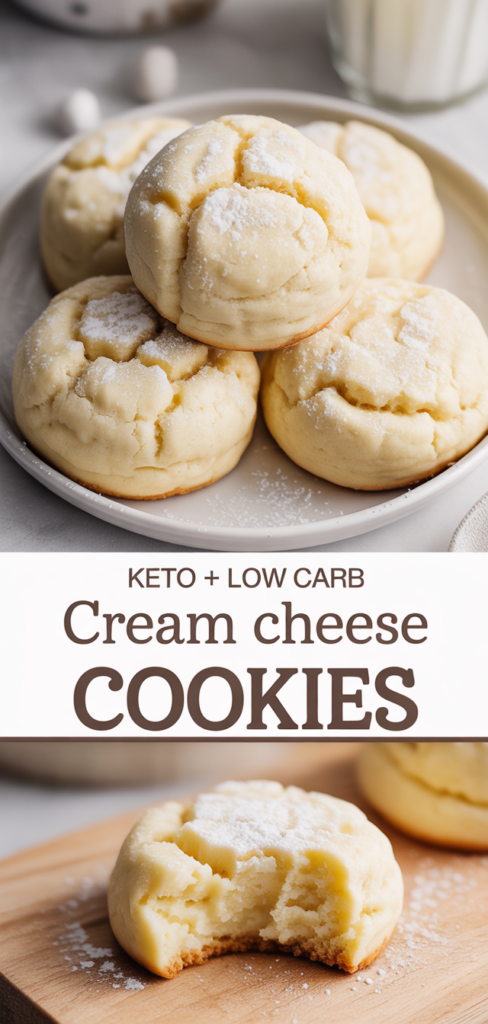
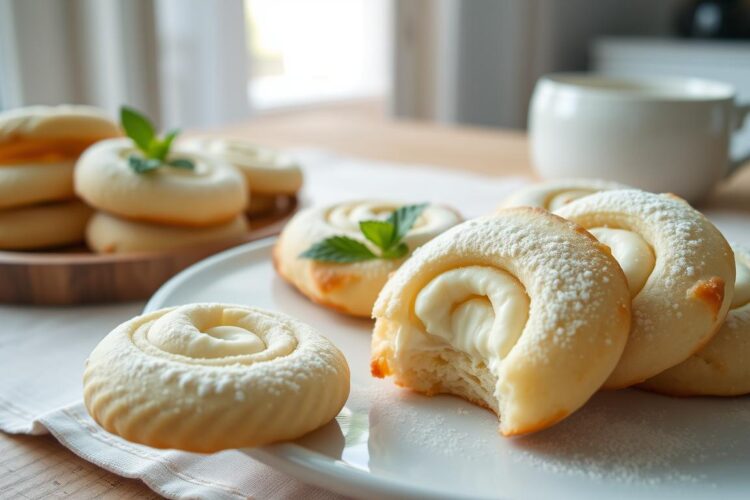
I make these as a soft, low‑carb, sugar‑free dessert that feels bakery‑fresh. The bites are light and airy with a delicate sweetness and a vanilla shortbread vibe, plus a gentle tang from the dairy.
If you’ve struggled with dry almond‑flour treats, this recipe fixes that. My testing showed the dairy adds moisture and structure, so the cookies bake up soft, slightly puffy, and lightly golden at the edges.
Expect pale tops and a tender crumb. Cooling fully helps them set while keeping the interior soft and tender.
In the article I give exact measurements, tool suggestions, step‑by‑step photo‑style guidance, and storage and freezer tips. Choosing superfine almond flour and a powdered sweetener matters for that delicate texture and balanced sweetness.
Soft, low carb cookies that taste like a bakery treat
These treats bake up soft, slightly puffy, and full of a light, bakery-style crumb. I promise an airy interior and a gentle, balanced sweetness that isn’t cloying.
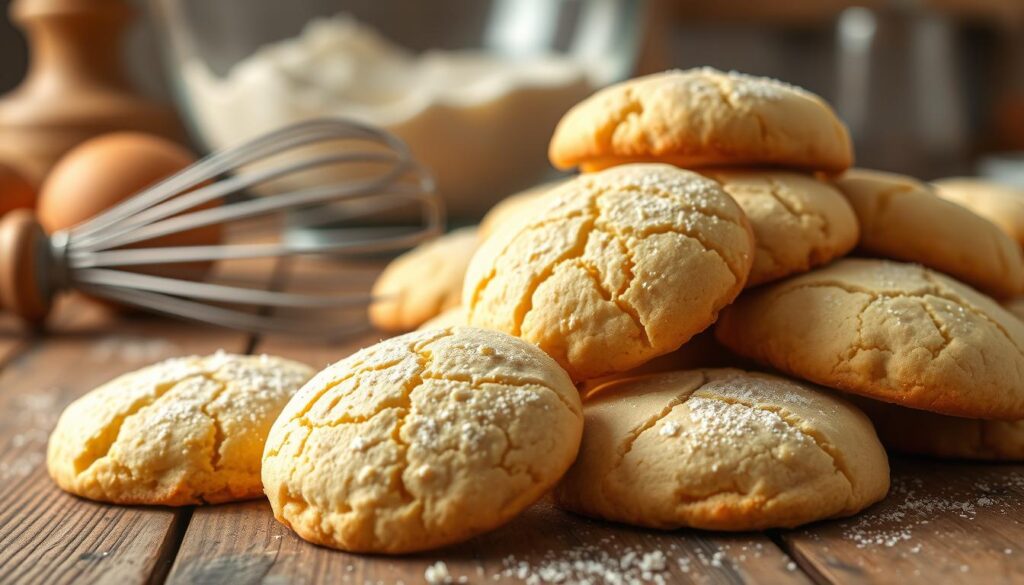
My quick promise: light, airy texture with delicate sweetness
I make a simple pledge: these are soft low carb cookies with a tender, melt-in-your-mouth crumb—not dry, gritty, or overly sweet. Powdered sweetener gives a fine finish so the bite feels delicate.
Why cream cheese makes them extra tender and buttery
Softened cream cheese adds moisture and richness. It keeps the interior pillowy and produces a buttery mouthfeel that mimics classic bakery baking.
Perfect occasions for these sugar free treats
They work for holiday swaps, weekend meal prep desserts, after-dinner treats, or a quick cookie with coffee. The dough is a blank canvas for add-ins like sugar-free chips or citrus zest.
| Feature | Result | Best Occasion |
|---|---|---|
| Texture | Soft, slightly puffy, tender crumb | Bakery-style snacking |
| Sweetness | Just enough; delicate finish | Tea or coffee breaks |
| Versatility | Accepts add-ins without losing structure | Holiday swaps and meal prep |
Keto Cream Cheese Cookies recipe highlights
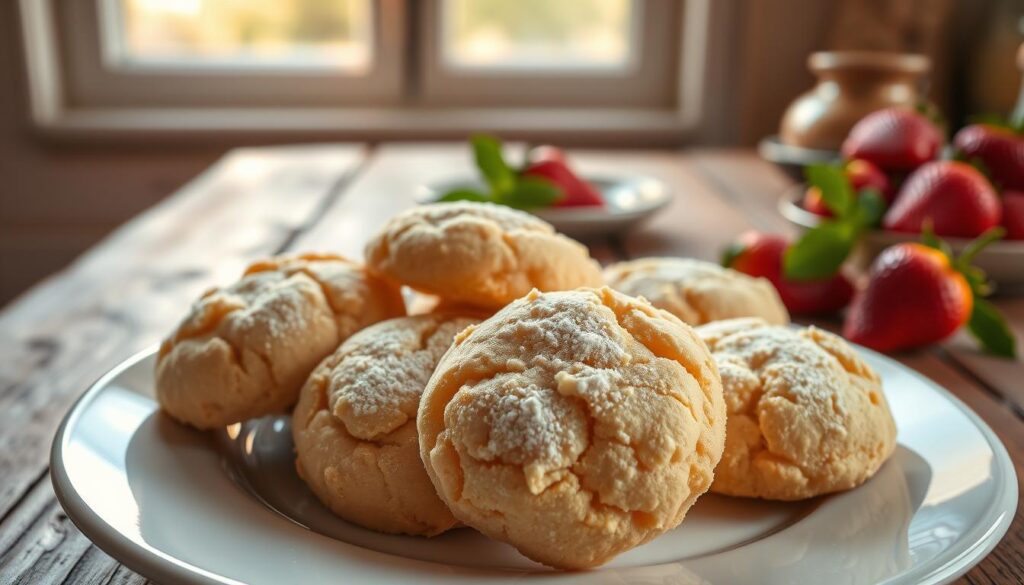
This recipe delivers a buttery vanilla shortbread note with a light, tangy finish that surprises the first bite. I describe what to expect so you can tell when the bake is right.
Flavor profile
The dominant taste is vanilla shortbread with a subtle tang from the cream cheese. A small amount of real vanilla extract brings bakery warmth without overpowering the balance.
Texture checklist
- Soft centers that stay tender after cooling
- Slight puff at the middle with pale tops
- Lightly golden edges that signal doneness
Keto-friendly stats and gluten-free ingredients
These use almond flour, so they’re naturally gluten-free and yield a delicate crumb. Expect low net carbs per cookie—roughly 1–3g depending on sweetener and size—so plan portions accordingly.
| Feature | Expectation | Why it matters |
|---|---|---|
| Flavor | Vanilla shortbread + subtle tang | Balanced, bakery feel |
| Texture | Soft, tender, slightly puffy | Desired mouthfeel |
| Nutritional | Low net carbs (~1.7g avg) | Manageable portioning |
Ingredients and exact measurements
Exact measurements and simple notes keep the dough predictable and soft. Below I split the items into wet/dairy, sweetener/flavor, and dry structure so shopping and prep are easy.
Softened dairy base
Wet/dairy:
- 2 oz softened cream cheese (room temperature)
- 1/4 cup unsalted butter, softened (1/4 cup)
- Optional: 1 tbsp sour cream (for extra tenderness)
- 1 large egg
Softened butter and cream cheese cream together smoothly, trapping tiny air bubbles for a light texture.
Sweetener and flavorings
- 1/3 cup powdered erythritol or powdered monk fruit (use up to 1/2 cup for a sweeter batch)
- 1 tsp vanilla extract
Use a powdered sugar substitute so the batter stays smooth. The vanilla extract adds bakery warmth without overpowering.
Dry ingredients for structure
- 3 cups super-fine blanched almond flour (not almond meal)
- 1/2 tsp baking powder
- Pinch of salt (about 1/4 tsp)
Super-fine almond flour prevents a grainy bite. Baking powder gives a mild lift while salt balances the sweetness.
Ingredient notes that affect texture and sweetness
Cold cream cheese makes a lumpy batter. Let dairy reach room temp before creaming.
Coarse almond flour yields gritty cookies; choose super-fine blanched almond flour instead.
Granulated sugar substitutes can leave a sandy finish. Use powdered versions for the best melt-in-your-mouth crumb.
| Ingredient group | Amount | Why it matters |
|---|---|---|
| Wet/dairy | 2 oz cream cheese, 1/4 cup butter, 1 egg | Moisture and lift; creaming yields airy texture |
| Sweetener/flavor | 1/3 cup powdered erythritol (to 1/2 cup), 1 tsp vanilla | Smooth sweetness and bakery flavor control |
| Dry structure | 3 cups super-fine almond flour, 1/2 tsp baking powder, pinch salt | Structure without gluten; gentle rise and balanced taste |
Kitchen tools I use for consistent cookies
A few simple tools turn a tricky batter into uniform, bakery-style rounds. I keep kit items handy so my prep is fast and the results are repeatable.
Mixing gear
I use a hand mixer or a stand mixer to cream butter and softened dairy until fluffy. A large bowl gives the ingredients room to combine without dry pockets.
Shaping tools
A medium cookie scoop (about 1.5 tbsp) makes even dough balls so each piece bakes the same. When dough is sticky I chill it briefly and roll on a small work surface.
Baking setup
Line a baking sheet with parchment paper before scooping. I often prepare two sheets so one can cool while the next bakes. This prevents sticking and promotes gentle browning in the oven.
- Hand or stand mixer — for smooth, airy creaming.
- Large bowl — mixes evenly and reduces flour pockets.
- Cookie scoop (~1.5 tbsp) — consistent size and bake time.
- Parchment-lined baking sheet(s) — easy release and cleanup.
- Fridge space — for a quick chill when dough gets too soft.
| Tool | Why I use it | Quick tip |
|---|---|---|
| Bowl | Room to mix without spill or dry spots | Use a deep bowl for easier folding |
| Baking sheet | Even heat and stable surface | Two sheets keep workflow steady |
| Parchment paper | Prevents sticking and dark bottoms | Replace if torn; reuse only once |
Step-by-step instructions for fluffy, tender cookies
Start by setting your oven to 350°F so the bake is steady from the first tray. Line a baking sheet with parchment paper before you mix. That way you can scoop straight onto the sheet and keep your workflow smooth.
Preheat oven and prep the sheet pan
Cream butter and softened cream cheese until smooth and fluffy. Use a bowl and beat on medium until the mix is pale, airy, and free of lumps.
Beat in powdered erythritol or monk fruit, then egg and vanilla extract. Add the powdered sweetener first, then the egg and vanilla. Mix briefly after each addition to keep the batter light.
Mix in almond flour, baking powder, and a pinch of salt. Fold gently until combined. Stop as soon as the dough comes together to avoid a dense bite.
Chill the dough if sticky for easier handling. If the dough clings to your hands, chill about 30 minutes. A brief chill firms the dough and speeds shaping.
Scoop and roll dough balls, then place on the parchment-lined baking sheet. Use a medium scoop for even sizes and space each ball about 2 inches apart so heat circulates well.
Flatten slightly for even baking. Press each ball gently with your palm so tops are slightly flattened but still puffy.
Bake until lightly golden around the edges. Bake at 350°F for 12–15 minutes. Look for pale tops with lightly golden edges as your visual cue.
Cool completely for the best soft, delicate crumb. Let cookies cool fully on the baking sheet. They set as they cool and stay tender when you allow them to rest.
| Step | Guide | Timing/check |
|---|---|---|
| Preheat & prep | 350°F; line sheet with parchment paper | Preheat until oven ready (about 10 minutes) |
| Chill dough if needed | Firm dough for easier rolling | Chill ~30 minutes if sticky |
| Bake | 12–15 minutes until edges are lightly golden | Check at 12 minutes for pale tops |
How to tell when they’re done (and keep them soft)
A quick visual check tells me more than the clock when I pull trays from the oven. I watch three simple cues so the result stays tender and not dry.
What I look for
Pale tops, lightly golden edges, and slightly puffy centers that do not look wet are my go‑to signs. If the rims are just turning color while the middle stays pale, the bake minutes are right.
These almond‑based treats can seem underbaked at first. That is intentional—short bake minutes keep the interior soft and delicate.
Practical time check
- Preheat fully and start checking at 10–12 minutes for smaller scoops.
- Most batches take 12–15 minutes depending on oven and size.
- Remove when edges are lightly golden; avoid darkening the rims to prevent a dry bite.
| Check | What it means | Typical bake minutes |
|---|---|---|
| Pale top | Soft center retained | 12–15 |
| Lightly golden edge | Finished without overbaking | Start at 10–12 to check |
| Slight puff | Structure is set as it cools | Residual heat finishes the bake |
Cooling and storage tip
Let the tray cool completely so residual heat sets the crumb. I never jar or bag them while warm; trapped steam from the cream will make them soggy.
Tips and smart substitutions for the best low carb results
A few smart substitutions preserve the soft, melt‑in‑your‑mouth texture while keeping the recipe keto and low carb friendly.
Almond choice matters
Use super‑fine blanched almond for the most delicate crumb. Coarser almond meal makes the bite grainy and can dry the dough.
When swapping, test a small batch first so you can feel the difference before you bake the whole tray.
Which powdered sugar substitute to use
Powdered erythritol blends give a clean sweetness and keep the dough moist. Powdered monk fruit is sweeter and can add a slight aftertaste for some palates.
For less risk of dryness, use powdered versions and adjust sweetness: start with the recipe amount, then add up to 25% more if you want sweeter results.
Egg and dairy swaps to know
An egg swap like a flax egg works, but expect a small change in puff and structure. It still keeps carbs low, but texture may be slightly denser.
Full‑fat cream cheese or full‑fat cream gives the best tender result. Dairy‑free cream cheese or butter‑flavored coconut oil can work, though the finish will be less classic.
| Swap | Use when | Effect on texture |
|---|---|---|
| Almond meal → super‑fine | Grainy almond available | More tender, bakery crumb |
| Powdered erythritol | Neutral flavor wanted | Moist, clean finish |
| Flax egg / dairy‑free | Allergies or vegan | Slightly denser, workable |
Flavor variations and add-ins (keep it keto)
I often pick one bold accent—like citrus zest or sugar-free chips—to keep the flavor focused and the crumb delicate. Below are simple, bakery-style swaps that keep the base dough soft while staying low in carbs.
Chocolate chip version
Fold 3/4 cup sugar-free chocolate chips into the dough after mixing. I stir gently so the batter stays puffy.
Bake the same time. The chips add chocolate pockets without changing texture.
Citrus zest for brightness
Add 1 to 2 teaspoons lemon or orange zest to the dry mix. A little goes a long way and gives a bakery-style lift.
Almond and extract swap
Swap 1/2 teaspoon almond extract for some vanilla for a holiday note. Almond extract is strong; I use it sparingly so the almond aroma shines without overpowering.
Toppings and finishing
Try a thin sugar-free chocolate drizzle or a light keto cream cheese frosting after cookies cool. Apply toppings only when fully cool so texture stays tender.
| Variation | How I add it | Effect & tip |
|---|---|---|
| Chocolate chip | Fold in 3/4 cup sugar-free chips | Chocolate pockets; bake same time; watch labels for sugar |
| Lemon zest | Stir 1–2 tsp zest into dough | Bright, bakery-style finish; no added carbs |
| Almond extract | Replace 1/2 tsp vanilla with almond extract | Classic holiday note; use sparingly |
Quick reminders: keep mix-ins certified low-sugar and avoid overloading the dough. I recommend one hero add-in so the vanilla-cream base still shines and the cookie stays soft and slightly puffy.
Storage, make-ahead, and serving ideas
With simple storage steps, you can enjoy fresh-tasting batches for days. I focus on cooling, packing, and the right temperature so the texture stays soft.
How I store at room temperature or in the fridge
Always cool the cookies completely before packing. I place them in an airtight container so steam doesn’t soften the exterior.
At room temp they stay best for about 4 days. For longer, I move the container to the fridge where they keep about a week.
Freezer-friendly tips for baked batches
Freeze on a tray until solid, then stack in a freezer-safe container or bag. Baked cookies keep up to 3 months this way.
Thaw in the fridge overnight or at room time for an hour before serving.
Meal prep: refrigerate or freeze dough
- Refrigerate dough for up to 48 hours to bake fresh later.
- Freeze shaped dough and thaw in the fridge overnight before baking.
Serving ideas
Serve warm with coffee, tea, or sugar-free hot chocolate. They make a cozy after-dinner bite and are handy to keep among my low-carb recipes for easy dessert prep.
| Storage | Where | Time |
|---|---|---|
| Baked | Room temp, airtight container | 4 days |
| Baked | Fridge, airtight container | About 1 week |
| Frozen | Freezer, sealed container | Up to 3 months |
Your next batch of keto baking starts here
Grab your bowl and parchment paper—this recipe is an easy way to get soft, tender treats at home.
Why it works: I cream butter and cream cheese until pale and airy, use super-fine almond flour for structure, chill sticky dough, bake until the edges are just light golden, and cool completely so the centers stay soft.
Save or print this recipe so you can repeat it. Try one add-in at a time—sugar-free chips, lemon zest, or a small extract swap keeps the base reliable and versatile.
Top tips: use powdered sweetener, avoid overbaking, and let cookies set on the baking sheet. Now preheat the oven and bake a batch—I’d love to hear which variation you try.