
This post contains affiliate links. I may earn a commission if you purchase through them at no extra cost to you.
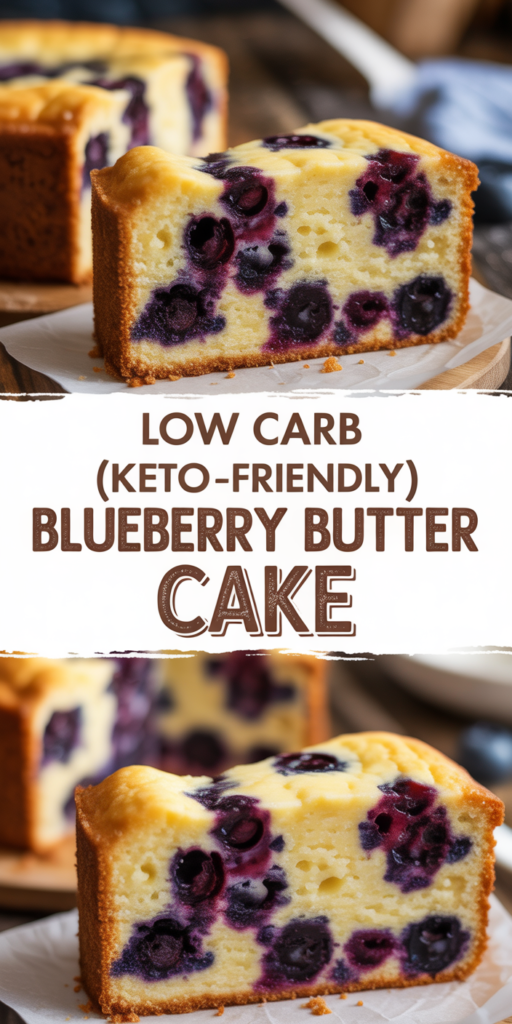
I developed this gluten-free, low-carb dessert to feel like real baking—rich, moist, and deeply satisfying without wheat or cane sugar. My version keeps a buttery, tender crumb while staying lower in carbs than a classic pastry.
The texture is dense yet tender, slightly sweet, and studded with juicy berries in every slice. I use almond and coconut flours plus real butter and cream for fat, and erythritol to add sweetness with minimal impact on blood sugar.
This recipe is for readers in the United States who want a reliable, simple bake for birthdays, holidays, or a weeknight treat. I’ll share exact ingredients, the creaming and mixing method, tips to keep berries from sinking, and the cues I use to know the center is set.
Read on and you’ll get a dependable, indulgent dessert recipe that keeps carbs and net carbs down while delivering a true butter cake experience you can replicate at home.
Why I Make This Low Carb Blueberry Butter Cake When I Want a Buttery, Moist Keto Dessert
When dessert needs to feel like real baking—deeply buttery and tender—this is what I make. The goal is a dense yet soft crumb that still feels moist, so a small slice is enough to satisfy a craving.
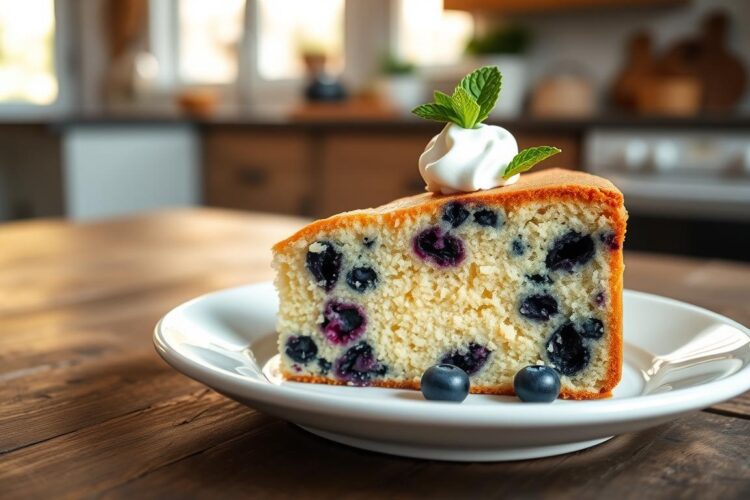
Dense yet tender texture with juicy fresh blueberries in every bite
I aim for a tight crumb that remains soft and not dry. The berries burst as they bake and turn slightly jammy, giving pockets of bright fruit throughout.
To keep fruit distributed, I toss the fresh blueberries in a bit of almond flour before folding. That simple step helps prevent sinking so each bite has fruit.
Gluten-free flours that keep it satisfying and nutrient-dense
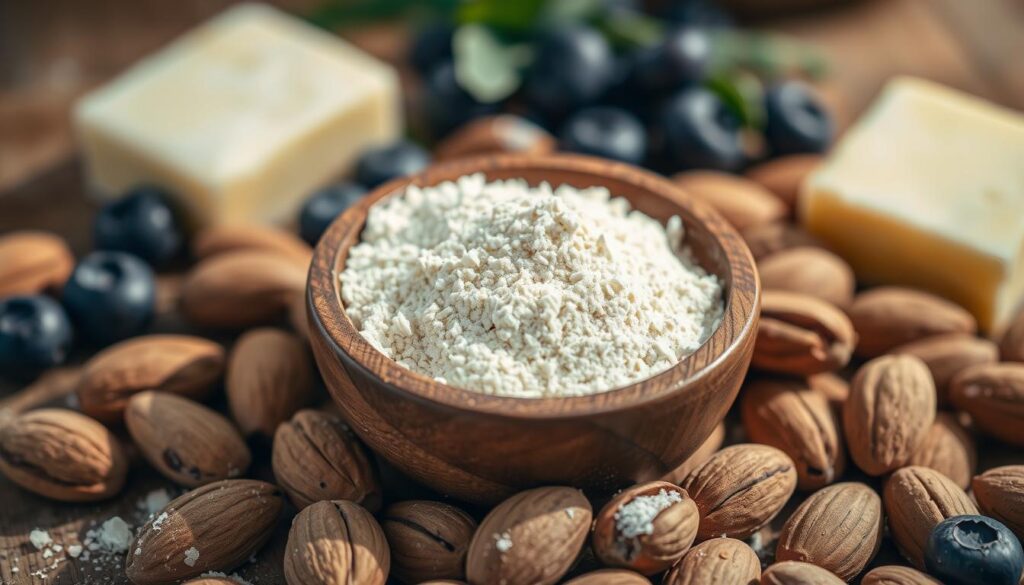
I use almond flour for richness and structure and a small amount of coconut flour to absorb moisture. This balance stops the crumb from feeling oily while keeping the slice substantial.
How erythritol sweetens without the sugar spike
Granulated erythritol is my preferred sweetener for this recipe. It gives sweetness without the same blood sugar rise as cane sugar.
Combine that with real butter, cream, and eggs and the flour ratio, and you get a truly buttery, slightly sweet cake that fits a keto-style approach.
Ingredients I Use for a Gluten-Free Keto Blueberry Butter Cake (Low Carb)
I keep my ingredient list focused so every scoop of batter bakes up tender and flavorful.
Dry ingredients
- 1 3/4 cups finely ground almond flour
- 2 tablespoons coconut flour
- 1 teaspoon baking powder
- Pinch of fine salt
Wet ingredients
- 1/2 cup unsalted butter, softened
- 3/4 cup granulated erythritol
- 3 large eggs, room temperature
- 1 teaspoon vanilla extract
- 2 tablespoons heavy cream
Blueberries and optional lemon flavor boost
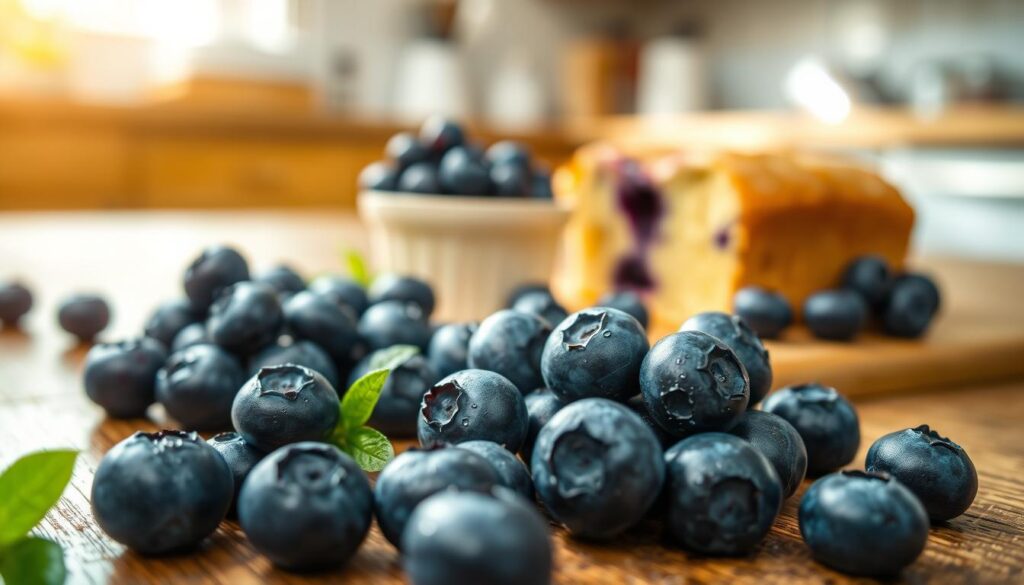
1 cup fresh blueberries is the star here. For brightness, add 1 tablespoon lemon juice and 1 teaspoon lemon zest.
If you want a tangier, richer bite, a small 2-ounce block of cream cheese softened and folded into the batter works well as an option.
Ingredient notes and swaps I actually recommend
- Use blanched almond flour, not coarse almond meal, for a fine crumb.
- Measure coconut flour carefully—too much dries the batter fast.
- Softened butter (not melted) creams better with granulated sweetener; some sweetener blends are sweeter than erythritol.
- Frozen blueberries can be used, but thaw and drain or fold in from frozen quickly to avoid excess moisture.
| Item | Why I use it | Swap |
|---|---|---|
| Almond flour | Structure and richness | Not recommended to replace fully |
| Coconut flour | Absorbs moisture, small amount | Reduce if using more almond flour |
| Erythritol | Granulated sweetness without sugar spike | Monk fruit blend (adjust to taste) |
Kitchen Tools and Pan Prep I Use for an Even Bake and Clean Release
I rely on a few reliable tools and careful pan prep to get even layers and a tidy finish. Good gear helps control texture and makes the final slice look bakery-worthy.
My essential tools
- Mixing bowls and a whisk — for quick dry ingredient blending so the flour blends evenly.
- Hand or stand mixer — for creaming butter and sweetener until light and airy.
- Rubber spatula — for folding batter prepared with berries without crushing them.
- Measuring cups and spoons — consistent measures keep oven time predictable.
Choosing the right pan and what changes
My preferred pan for this recipe is a 9-inch round or an 8×4 loaf pan. These give a balanced thickness so the center bakes evenly without long time in the oven.
If you use a bundt, expect longer bake minutes because the batter is thicker. A 9×13 bakes faster since the cake layer is thinner. A springform helps with a neat release for delicate slices.
How I prep pans to avoid sticking
I grease thoroughly, then line the bottom with parchment when possible. For round or loaf pans I also dust with a little almond flour to guard the bottom and edges.
If the top browns too quickly, I tent loosely with foil partway through so the center finishes without over-browning. Good prep means clean release, intact edges, and a presentable final cake.
| Pan type | Effect on bake | Tip |
|---|---|---|
| Bundt | Deeper, longer time | Grease grooves well; add 10–15 minutes |
| Loaf | Taller slices | Watch center with a toothpick |
| 9×13 | Thinner layer, quicker bake | Reduce time and check early |
How I Make Low Carb Blueberry Butter Cake Batter (Creaming, Mixing, and Folding)
I start every bake by setting the oven to 350°F so the batter moves from bowl to pan without waiting. While the oven warms, I grease and line the pan so the batter prepared goes in right away and keeps the lift I built during mixing.
Creaming and eggs
I beat softened butter with granulated erythritol until the mixture looks lighter and fluffier. That trapped air helps the cake rise even with almond flour in the mix.
I add eggs one at a time, mixing just until each is incorporated. Then I stir in vanilla extract for aroma and a richer crumb.
Dry mix and combining
In a separate bowl I whisk almond flour, coconut flour, baking powder, and a pinch of salt. This evens out the leavening so the cake bakes uniformly.
I fold the dry mix into the wet in two additions. I stop as soon as the cake batter is cohesive to avoid overworking it.
Folding in fruit and final spread
I toss fresh blueberries with a tablespoon of the flour mix and optional lemon zest to limit sinking and streaking. Then I fold them in gently with a rubber spatula, lifting from the bottom and turning once or twice until dispersed.
The batter will be thicker than a traditional cake batter. I spread it evenly in the prepared pan, nudge into corners, and smooth the top so the center bakes level.
| Step | What I do | Why it matters |
|---|---|---|
| Preheat & pan prep | Set oven to 350°F and line pan | Prevents batter from sitting and losing air |
| Cream butter & erythritol | Beat until light and fluffy | Incorporates air for lift with almond flour |
| Whisk dry ingredients | Combine almond flour, coconut flour, baking powder | Even rise and consistent texture |
| Fold in blueberries | Coat berries in flour, fold gently | Reduces sinking and prevents purple streaks |
Baking Time, Doneness Cues, and the Texture I’m Looking For
I watch the oven closely as the aroma of warm butter and berries tells me the cake is approaching done. I bake at 350°F and use minutes as a guide, not an exact rule, since pan choice changes how long the batter needs.
Bake until golden, set in the center, and fragrant
The top should be golden and smell rich and buttery. If it browns too fast, tent loosely with foil around 45 minutes so the center finishes without drying.
What “done” looks like for a dense but not dry slice
- Press the top gently — it should spring back slightly.
- Edges will pull from the pan and a toothpick comes out with a few moist crumbs.
- A wet smear means more minutes; a dry toothpick can mean overbake.
Cooling and slicing tips so it holds together cleanly
Cool in the pan until slightly firm, then unmold to avoid tearing the bottom. For clean slices, use a sharp serrated knife and wipe the blade between cuts.
| Pan type | Typical minutes | Doneness cue |
|---|---|---|
| 9×13 | 35–45 minutes | Top golden; check center early |
| Loaf | 50–65 minutes | Toothpick with moist crumbs |
| Bundt | 60–75 minutes | Edges pull and gentle spring back |
I design this recipe to be friendly for readers tracking net carbs, so the texture stays moist thanks to butter and a touch of cream while keeping carbs lower than a traditional version.
Serving, Storing, and Enjoying Every Last Slice
To keep every slice tasting its best, I focus on gentle serving and airtight storage. I slice slightly chilled for tidy layers or let pieces warm for a fuller butter flavor. A few extra berries or a spoon of lemon-zest whipped cream make a simple, elegant top.
I store leftovers wrapped or in an airtight container in the refrigerator for up to 5 days. At room temperature it lasts about 2–3 days depending on the cream or cheese elements. For longer keeping, I slice, wrap each piece, and freeze up to 3 months; thaw overnight in the fridge so the texture stays dense and tender.
Variations I love: a brighter lemon-forward version, a coconut-lemon twist, or a cream cheese swirl for a cheesecake-like layer. Use a sharp knife and wipe the blade between cuts for clean presentation. This dessert belongs in my regular recipes because it stays moist, holds up in storage, and keeps that juicy blueberry pop in every bite.