
This post contains affiliate links. I may earn a commission if you purchase through them at no extra cost to you.
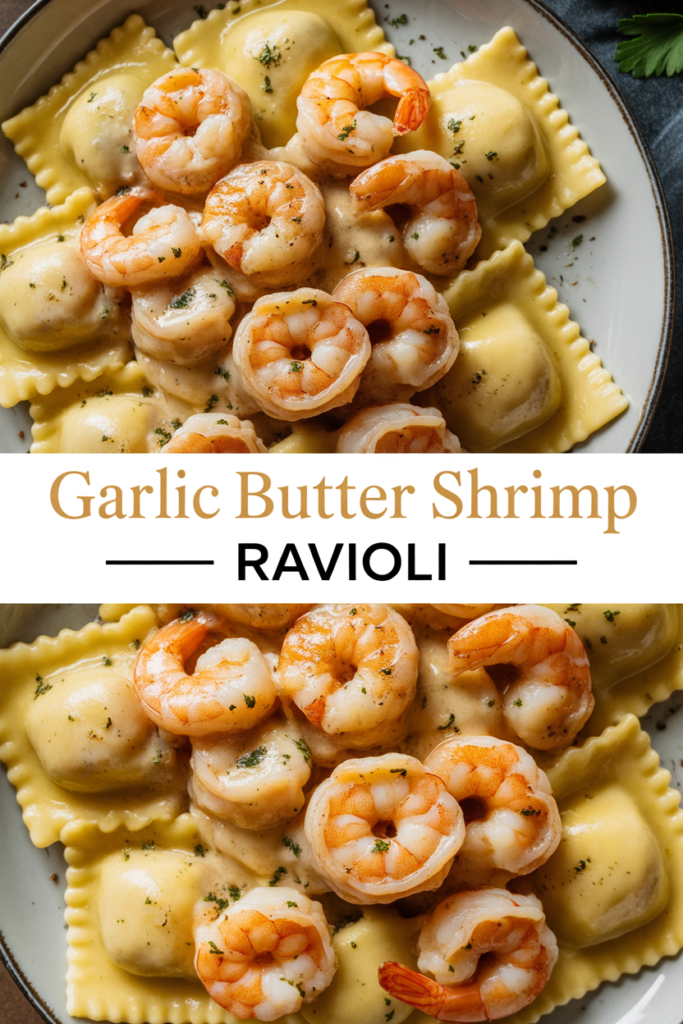
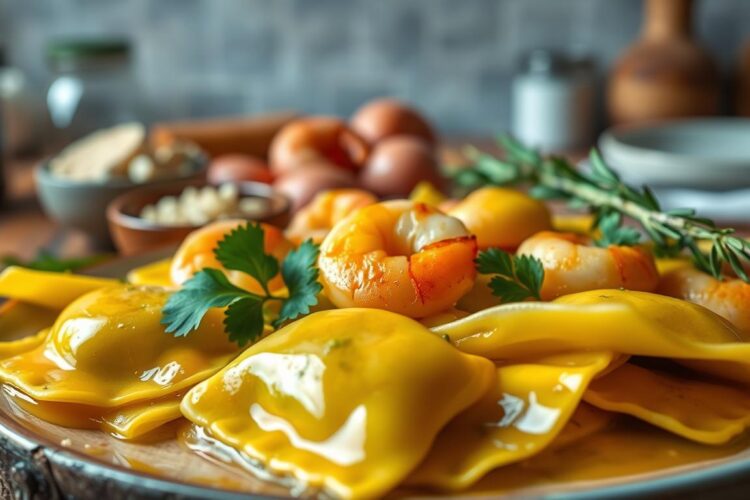
I want to share a fast, restaurant-style pasta dinner you can make at home in under 30 minutes. This Garlic Butter Shrimp Ravioli recipe delivers a rich, creamy sauce that coats tender pockets of cheese and plump seafood in every bite.
I promise a simple stovetop method: boil ravioli until pillowy, sear peeled and deveined shrimp quickly, and build a glossy cream sauce without burning the garlic. A touch of lemon zest and fresh parsley or grated Parmesan finishes the plate.
This meal works for weeknight dinners and cozy date nights. If you use good store-bought pasta and ready shrimp, the steps stay short and the result feels indulgent yet realistic for busy evenings.
Why I Make This Garlic-Butter Shrimp Ravioli on Repeat
This is my go-to quick pasta that feels luxurious but comes together in less than half an hour. I reach for it when I want a restaurant-quality meal without spending a lot of time in the kitchen.
The real-world timing sells it: the seafood sautés in about 3 minutes, ravioli usually takes roughly 5 minutes, and the cream sauce comes together while everything stays hot. The whole dinner lands on the table fast.
A restaurant-quality pasta dinner in under 30 minutes
Minimal chopping, big flavor payoff, and a finished plate that looks date-night worthy make this dish a repeat in my rotation. It feels special but is truly simple.
Perfect for weeknight dinners, date nights, and comfort food
This works for busy weeknights, a cozy at-home date night, or an indulgent comfort-food moment. I keep pockets of pasta and frozen seafood on hand so I can make the meal any time I need one.
- What makes it special: garlic, butter, shrimp, ravioli pockets, cracked black pepper.
- Repeat appeal: little prep, big taste, easy leftovers.
- Save recipe nudge: leftovers reheat well for a second dinner.
| Occasion | Why it Works | Timing |
|---|---|---|
| Weeknight | Fast prep, minimal cleanup | ~30 minutes |
| Date night | Looks elevated, tastes rich | Under 30 minutes |
| Comfort meal | Warm, creamy, satisfying | Ready quickly |
Ingredients for Garlic Butter Shrimp Ravioli (Exact Measurements)
I break down every ingredient with precise amounts and small tips that prevent common mistakes.
Ravioli and shrimp
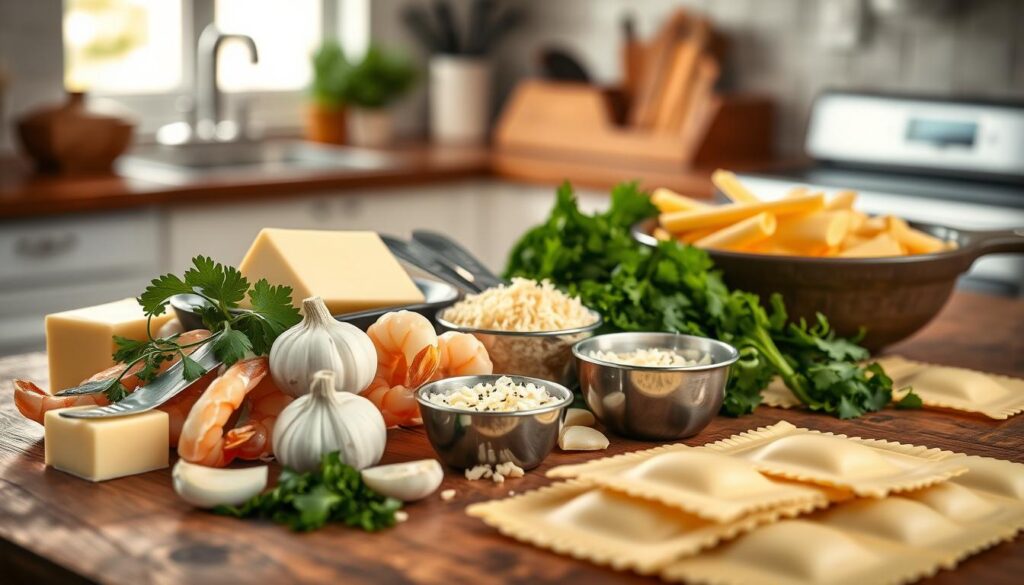
- 12 ounces cheese- or ricotta-filled ravioli (refrigerated fresh preferred; frozen works)
- 1 pound large shrimp, peeled and deveined (tails removed for easy eating)
Garlic-butter cream sauce essentials
- 3 tablespoons unsalted butter
- 1 tablespoon olive oil (helps control butter browning)
- 3 cloves fresh garlic, minced
- 1 cup heavy cream
- ½ cup reserved pasta water (as needed to loosen sauce)
Finishing touches for big flavor
- ½ cup freshly grated Parmesan (measure after grating for accuracy)
- 2 tablespoons fresh parsley, chopped
- Freshly cracked black pepper, to taste
- Optional: 1 teaspoon lemon zest or 1 tablespoon lemon juice for brightness
| Ingredient | Amount | Note |
|---|---|---|
| Ravioli | 12 oz | Fresh refrigerated gives a restaurant texture; frozen saves time |
| Shrimp | 1 lb large | Peeled/deveined speeds cooking and eating |
| Parmesan | ½ cup grated | Grate fresh and measure after grating for best results |
Keep this list handy when you shop so the cooking goes smoothly. These exact ingredients help the sauce finish silky and balanced without guesswork.
Kitchen Tools I Use for This Easy Shrimp Ravioli Recipe
My setup is simple so timing stays tight and the pasta keeps its shape. I use one burner for boiling and one for the sauce so nothing sits too long.
Best skillet and pot setup for smooth timing
I boil ravioli in a large pot while I sear and finish sauce in a wide skillet. The roomy pan gives shrimp space to brown instead of steam. This two-burner routine shortens total cook time.
Why a slotted spoon matters for delicate pasta
A slotted spoon lets me lift each piece gently from boiling water. It prevents tearing far better than dumping into a colander. I always reserve some pasta water before lifting the pasta.
- Essential: large pot, wide skillet/pan, slotted spoon.
- Helpful extras: microplane for zest, tongs or silicone spatula for gentle tosses, fine grater for fresh cheese.
- Tip: dry shrimp quickly and give the skillet room for a quick sear to get golden edges.
| Tool | Purpose | Quick Tip |
|---|---|---|
| Pot | Boil pasta | Use plenty of salted water |
| Skillet | Sear shrimp, build sauce | Keep it wide for even browning |
| Slotted spoon | Lift pasta gently | Save pasta water for the sauce |
With these basics I keep the process beginner-friendly and reliable. The right tools make shrimp ravioli or ravioli shrimp come together with less stress.
Ingredient Notes for the Best Flavor and Texture
I focus on choices that directly shape the sauce and keep the seafood tender. Small tweaks make the whole dish feel balanced and bright.
Choosing cheese-filled pasta
I pick cheese- or ricotta-filled options because they pair naturally with a creamy sauce. Fresh or refrigerated pasta gives the best texture.
Frozen works too if I cook it gently and pull it al dente so it does not split when I toss it in sauce.
Picking and prepping shrimp
Large peeled and deveined shrimp save time and cook evenly. I pat them dry and season with salt and pepper right before searing so they brown instead of steaming.
Fats and minced aromatics: avoiding bitterness
I use a mix of butter and olive oil to raise the smoke point and protect the minced aromatics. I add the aromatics when the fat is warm, not smoking, to prevent burning.
Lemon options for a bright finish
I usually add lemon zest for aroma and a splash of lemon juice at the end for fresh acidity. Add the juice last so the brightness stays vivid.
The finishing trio
A grate of parmesan, a sprinkle of parsley, and freshly cracked black pepper lift the final plate. Taste and season salt pepper to your preference before serving.
| Choice | Why I Use It | Quick Tip |
|---|---|---|
| Cheese-filled pasta | Creamy center complements sauce | Fresh for best texture; frozen cook al dente |
| Large peeled shrimp | Fast cook, tender bite | Pat dry; season just before searing |
| Butter + olive oil | Prevents browning while adding richness | Add aromatics off high heat |
| Lemon, parmesan, parsley | Adds brightness, umami, and freshness | Finish at the end; adjust salt and pepper |
How I Cook the Ravioli Until Tender and Al Dente
Here’s how I time and treat the pasta so each pocket cooks tender and holds its shape. The trick is hot, well-salted water and close attention during the short cook time.
Boil water, salt it well, and cook until pillowy
I bring a large pot of water to a rolling boil and salt it generously. Salting seasons the pasta from the inside out.
Once the water boils, I add ravioli a few at a time to avoid crowding. The package time is a guide; most cook in about 5 minutes.
I usually take them out a minute before the package time if they will finish in the sauce. Watch for a pillowy look and tender edges—al dente for filled pasta means the shell still holds its shape when lifted.
How I keep ravioli from tearing when draining
I lift each piece with a slotted spoon instead of dumping the pot into a colander. That gentle remove prevents tearing and holds the filling inside.
If I must drain, I pour carefully and avoid shaking the colander. Then I transfer the cooked pasta straight into the hot sauce so it stays warm and soaks up flavor.
- Boil plenty of water so the pasta moves freely.
- Add ravioli gently and watch closely—minutes matter.
- Use a slotted spoon to lift; don’t toss the pot.
| Step | What I Do | Timing Cue |
|---|---|---|
| Heat | Bring a large pot of water to a rolling boil and salt | Until boiling |
| Add | Add ravioli gently a few at a time | Immediately after boil |
| Finish | Lift with a slotted spoon and move to sauce | About 4–5 minutes, watch texture |
How I Sear Shrimp in Butter and Olive Oil (Golden, Not Rubbery)
Searing seafood quickly is the secret to tender, golden bites that never go rubbery. I keep the method simple so results are repeatable on weeknights.
H3: Prep and seasoning
I pat the shrimp dry and season them with salt and pepper. Dry shells brown faster and the seasoning helps the flavor reach the center.
H3: Pan and fat, and what “high heat” looks like
I heat the pan until the fat shimmers. Then I add butter and olive oil together so I get the rich taste and higher smoke resistance.
- I add shrimp in a single layer and avoid crowding so they sear instead of steam.
- High heat means the fat sizzles on contact and the shrimp makes a clear sear sound.
- Flip once when the edges turn pink and the flesh is opaque.
| Step | Action | Timing cue |
|---|---|---|
| Heat | Preheat pan, add fats | Fat shimmers |
| Sear | Add shrimp in one layer | About 2–3 minutes, flip once |
| Finish | Remove promptly | Shrimp opaque; pull before overdone |
The pan drippings are gold—I use them to deepen the cream sauce. Pull the shrimp as soon as they’re just cooked; they will warm again when I toss them back in.
How I Make a Rich Garlic-Butter Cream Sauce
A silky cream base starts with gentle aromatics and careful heat control. I rely on a quick, repeatable routine so the sauce finishes glossy and smooth every time.
Sauté the garlic gently for sweet, not bitter flavor
I warm the fat over medium-low heat and add the garlic once it feels warm, not smoking. I let the aroma bloom for about 30–45 seconds until fragrant; this keeps the flavor sweet rather than bitter.
Add heavy cream and simmer to the perfect consistency
Next I pour in heavy cream and raise the heat slightly until small bubbles form around the edges. I simmer for 2–3 minutes, watching for steam and tiny bubbles; the sauce should coat the back of a spoon when ready.
Season in layers: salt, pepper, Parmesan, and optional lemon
I season with salt and cracked pepper, then stir in grated parmesan off heat so it melts into the sauce. For brightness I add lemon zest and, if I want more lift, a small squeeze of lemon juice at the end.
- If the sauce gets too thick, loosen it with a splash of reserved pasta water.
- Finish by tasting and adjusting salt, pepper, and parmesan to balance the sauce.
| Step | Heat | Timing |
|---|---|---|
| Sauté aromatics | Medium-low | 30–45 seconds |
| Simmer cream | Medium | 2–3 minutes |
| Finish & season | Off heat to low | Stir until glossy |
Bring It All Together: Garlic Butter Shrimp Ravioli in One Skillet
The final skillet step is all about timing so nothing overcooks and every bite stays silky.
I make the sauce until it is glossy and just off aggressive heat. Then I add the ravioli so it stays intact. I gently fold the pasta in with a wide spatula instead of stirring hard.
To keep the shrimp tender, I return it to the pan at the very end. I toss the pieces in the warm sauce for about a minute—just long enough to heat through without overcooking.
Finish, flavor balance, and plating
I taste and adjust salt, then add cracked black pepper and grated parmesan for savory depth. A handful of chopped parsley brightens the plate.
Optional upgrades
- A splash of white wine in the sauce before adding ravioli adds scampi-style depth.
- For gentle heat, sprinkle a pinch of red pepper flakes when you finish.
- If the pan feels too rich, a small splash of lemon juice right before serving wakes up the whole dish.
| Action | What I do | Timing cue |
|---|---|---|
| Add ravioli | Fold into warm sauce off high heat | Once sauce is glossy |
| Add shrimp back | Toss briefly to warm through | About 1 minute |
| Garnish | Parsley, parmesan, extra black pepper | Serve immediately |
One last note: the kind of ravioli matters. Better pasta holds up during the toss and gives a better final result.
Serve, Save, and Savor This Luxurious Pasta Night at Home
I prefer to bring the skillet to the table and spoon hot pasta onto warm plates for peak texture.
Serve it straight from the pan so the sauce stays glossy and the pockets stay tender. Pair with a simple green salad, roasted broccoli, or crusty bread for a full dinner at home.
To save leftovers, cool quickly, store airtight, and refrigerate within two hours. Expect some softening—this dish tastes best the first time but still makes an easy next-day meal.
Reheat gently on low heat with a splash of reserved pasta water or a bit of cream so the sauce loosens and the shrimp stay tender. Stir often and avoid high heat.
Keep frozen ravioli and peeled shrimp on hand and you can make this recipe any busy weeknight or date night. Bookmark or save recipe for repeat ravioli shrimp nights, and use good olive oil1 and fresh seasoning for the best finish.