
This post contains affiliate links. I may earn a commission if you purchase through them at no extra cost to you.
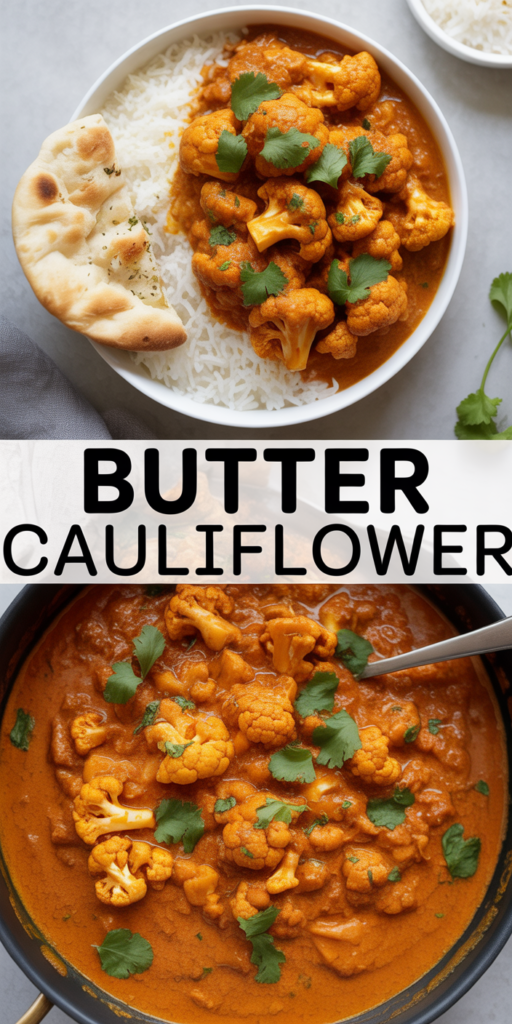
I love a cozy, creamy weeknight dish that feels like restaurant takeout but is made at home. This Butter Cauliflower Curry is my vegetarian riff on classic butter chicken, with tender florets simmered in a spiced tomato-butter sauce.
The recipe uses pantry staples—canned tomatoes, warm spices, and simple aromatics—so it’s easy to pull together any night. I give exact measurements and step-by-step instructions below, with two cooking paths: roast for deep browning or sauté for speed.
Expect a silky finish from coconut milk or heavy cream, and a sauce that clings to each floret. I serve it over basmati rice with naan for scooping, and the flavors actually improve as leftovers rest.
This is naturally vegetarian and can be gluten-free if you skip the naan. It’s perfect for meal prep, busy weeknights, or anyone craving a comforting plant-based dinner.
Why I Love This Cozy Butter Cauliflower Dinner
I reach for this skillet dinner when I want big, homey flavors with minimal time. It gives the same creamy, tomato-forward comfort of butter chicken while staying meatless and simple to pull together.
A vegetarian riff with the same silky sauce
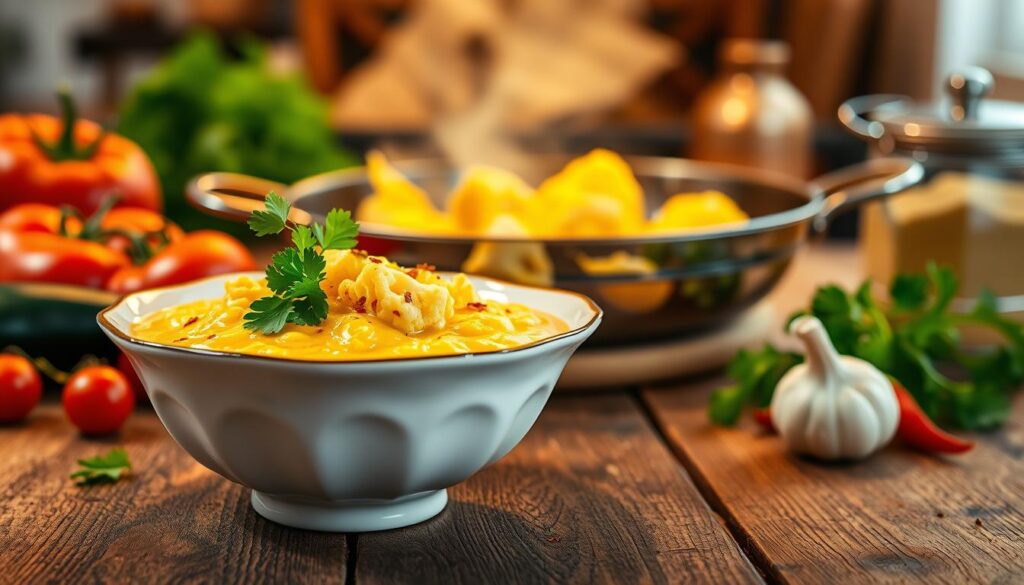
The sauce is rich and tomato-led, finished with coconut or cream for a silky feel. It tastes slow-simmered even when it only takes minutes to make.
Weeknight timing and flexible heat
I keep prep tight: roast or sear the florets while the base cooks, then simmer for about 10–15 minutes. Total cook time is often under 45 minutes, so it fits tight weeknight schedules.
- Pantry staples: canned tomatoes, spices, a bit of dairy or coconut.
- Browning adds a meaty texture that makes the bowl satisfying.
- Adjust heat easily — mild for family meals or add chili later.
- Serve with rice and warm naan to sop up the extra sauce.
| Method | Time (minutes) | Texture | Best for |
|---|---|---|---|
| Roast | 25 | Deeply browned, meaty | Flavor depth, leftovers |
| Skillet-sear | 10 | Quick browning, crisp edges | Fast weeknights |
| Steam/simmer | 20 | Tender, saucy | Soft texture, quicker prep |
Ingredient Notes for a Rich, Creamy Butter Sauce
I rely on straightforward pantry finds to build a deep, savory base that coats every floret with flavor.
Cauliflower florets, aromatics, and pantry tomatoes
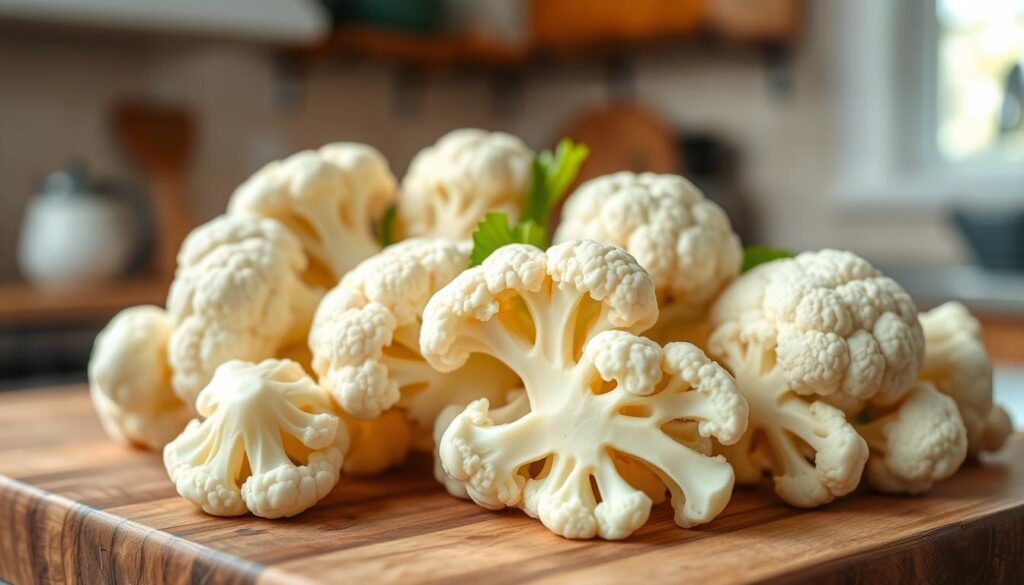
I use fresh cauliflower florets with diced onion, garlic, and ginger to create a savory-sweet backbone.
Canned tomatoes plus a spoon of tomato paste give concentrated tomato flavor and help thicken the sauce.
Butter or ghee, plus coconut milk or heavy cream
I brown a couple tablespoons of butter or ghee to add body and nuttiness.
Finish with full-fat coconut milk for the creamiest texture, or use heavy cream or milk for a classic restaurant-style finish.
Spices I use for warm, balanced flavor
I balance garam masala with cumin and coriander for earthiness.
Turmeric adds color, and a pinch of chili powder controls heat. If needed, a touch of curry powder can support the profile without taking over.
Garnishes and serving staples
Salt sharpens the sauce and fresh cilantro brightens each bite.
Serve with basmati rice for a gluten-free meal, or add naan if you like.
I list cups and cup measures in the recipe so shopping is easy.
| Ingredient | Why I use it | Best option |
|---|---|---|
| Cauliflower florets | Holds sauce, roasts well for texture | Fresh, medium florets |
| Tomatoes & tomato paste | Tomato depth and sauce body | Canned crushed + 1 tbsp paste |
| Butter / coconut milk | Richness and silky finish | Butter + full-fat coconut milk |
| Spices (garam masala, cumin) | Warm, balanced flavor | Freshly ground when possible |
| Fresh cilantro, rice/naan | Bright finish; serving options | Chopped cilantro, basmati rice |
Butter Cauliflower Curry Ingredients (Exact Measurements)
This ingredient list gives exact amounts so you can shop and start cooking without guesswork.
Main ingredients
- 1 medium head cauliflower, cut into florets (about 6–7 cups florets)
- 2 tbsp butter or ghee
- 1 medium onion, finely diced (about 1 cup)
- 3 cloves garlic, minced
- 1 tbsp fresh ginger, grated
- 1 (14 oz) can crushed tomatoes
- 1 tbsp tomato paste
- 1 cup full‑fat coconut milk or 1 cup heavy cream (swap as desired)
- Salt, to taste (start with 1 tsp)
Spice blend
- 1 tsp ground cumin
- 1 tsp garam masala
- 1/2 tsp turmeric
- 1/2 tsp ground coriander
- 1/2 tsp chili powder (adjust for heat)
For serving and finishing
- Fresh cilantro, chopped (2 tbsp)
- Basmati rice (for gluten‑free serving) or naan, optional
| Group | Key items | Amount |
|---|---|---|
| Main | Head cauliflower, onion, garlic, ginger, tomatoes | 1 head; 1 cup; 3 cloves; 1 tbsp; 14 oz |
| Fat & Cream | Butter or ghee, coconut milk / cream | 2 tbsp; 1 cup |
| Spices | Cumin, garam masala, turmeric, coriander, chili powder, salt | See spice blend list above |
How I Make Butter Cauliflower Curry Step by Step
Follow my simple sequence to get deeply browned florets and a silky, tomato-forward sauce. I give two quick ways to brown the veg, then build a spiced base, finish with cream, and simmer until every piece is coated.
Get texture first
Option A: skillet-sear with a little oil for 7–8 minutes until charred at the edges. Toss florets in a bowl with cornstarch, lemon, and spices first for extra crust.
Option B: roast or broil for 4–6 minutes for deeper browning; watch closely so pieces don’t burn.
Build the flavor base
I melt 2 tablespoons of butter, then sauté onion until soft. I add garlic and ginger and cook a minute so the pan smells sweet and bright.
Bloom spices and finish the sauce
Stir in garam masala, cumin, turmeric, and coriander and toast about 1 minute. Add canned tomatoes, simmer until slightly thicker, then slowly whisk in coconut milk or heavy milk to keep the sauce glossy.
Combine and finish
Add cauliflower back, simmer a few minutes until tender but not mushy. Taste, then finish with chopped cilantro and an optional squeeze of lemon.
| Step | Time | Result |
|---|---|---|
| Skillet-sear | 7–8 minutes | Charred, meaty florets |
| Roast/broil | 4–6 minutes | Deep color, concentrated flavor |
| Simmer in sauce | 5–10 minutes | Tender, evenly coated |
Tips for Velvety Texture and Bold, Balanced Flavor
Control and timing are the real secrets to a velvety finish and bold, balanced flavors. I focus on a gentle simmer, steady stirring after I add cream or coconut milk, and a bit of fat so the sauce stays glossy instead of grainy.
How I keep the sauce smooth and glossy
After adding coconut milk or cream, I lower the heat and stir for a minute to marry the liquids. A quick whisk helps if the sauce looks grainy.
If it gets too thick, I add a splash of water or more coconut milk and simmer uncovered to reduce slowly. A tablespoon or two of oil or butter at the end gives a silky sheen.
How to dial heat without losing the butter-style vibe
I add chili or cayenne in small amounts and taste as I go. Black pepper brightens heat without masking the masala notes.
If it becomes too hot, a spoon of yogurt or a squeeze of lemon calms spice and lifts the flavors back into balance. Salt often fixes muted profiles—add a pinch and wait a minute before tasting again.
Roasted vs simmered: when I choose each
Roasting adds roasty bits and deeper flavor—my choice for meal prep or texture fans.
Simmering cauliflower directly in the sauce is faster and good for busy nights. I give simmered florets a few extra minutes to soak up flavor.
Easy add-ins I reach for
- Chickpeas — lightly mashed for creaminess and protein.
- Frozen peas — stirred in at the end for color and texture.
- Roasted sweet potatoes — for a sweet, hearty counterpoint.
| Issue | Quick fix | Why it works |
|---|---|---|
| Sauce grainy | Lower heat, whisk, add fat | Prevents separation and smooths texture |
| Too thick | Add water/coconut milk, simmer | Restores pourable, glossy consistency |
| Too spicy | Stir in yogurt or lemon | Balances heat and brightens flavors |
Serving Ideas, Meal Prep, and the Best Way to Enjoy the Leftovers
This recipe shines as a make-ahead meal that tastes even better the next day. I serve it as a rice bowl with plenty of sauce and warm naan for scooping, then finish each portion with chopped cilantro and a squeeze of lemon for brightness.
For meal prep, portion rice separately so the florets keep texture. Store the main dish in airtight containers; flavors deepen and the sauce thickens as it rests.
To reheat, warm gently on the stove or microwave for 1–2 minutes, then loosen with a splash of milk or coconut milk so it returns to creamy. Taste and add a bit more cilantro before serving.
Stretch leftovers by stirring in chickpeas, serving extra rice, or wrapping with naan for an easy lunch. This vegetarian take echoes the comfort of butter chicken while staying quick and repeatable for weeknight dinners.